
ARTAS iX robotic hair transplant in Medellín, Colombia

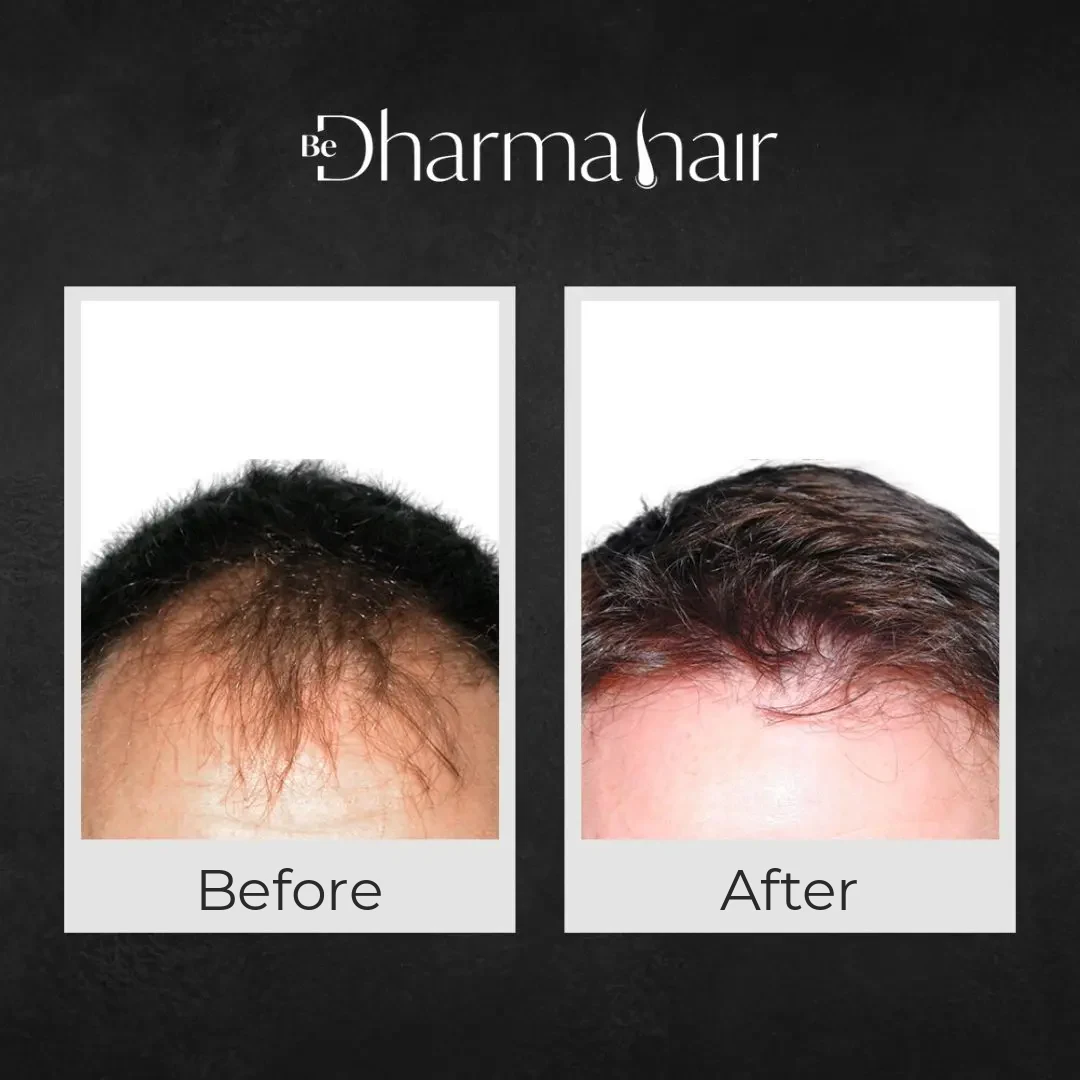
ARTAS robotic hair transplant before and after

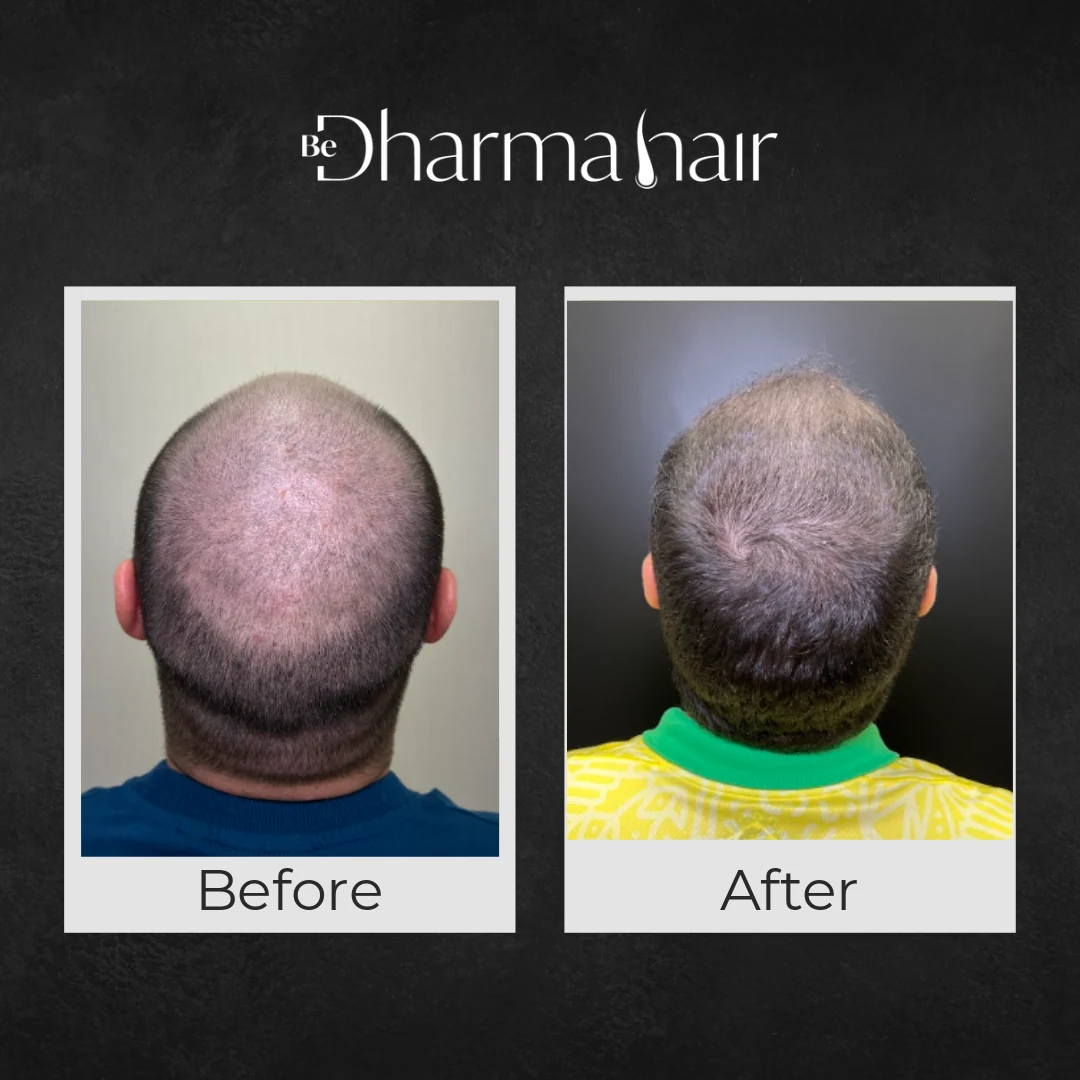
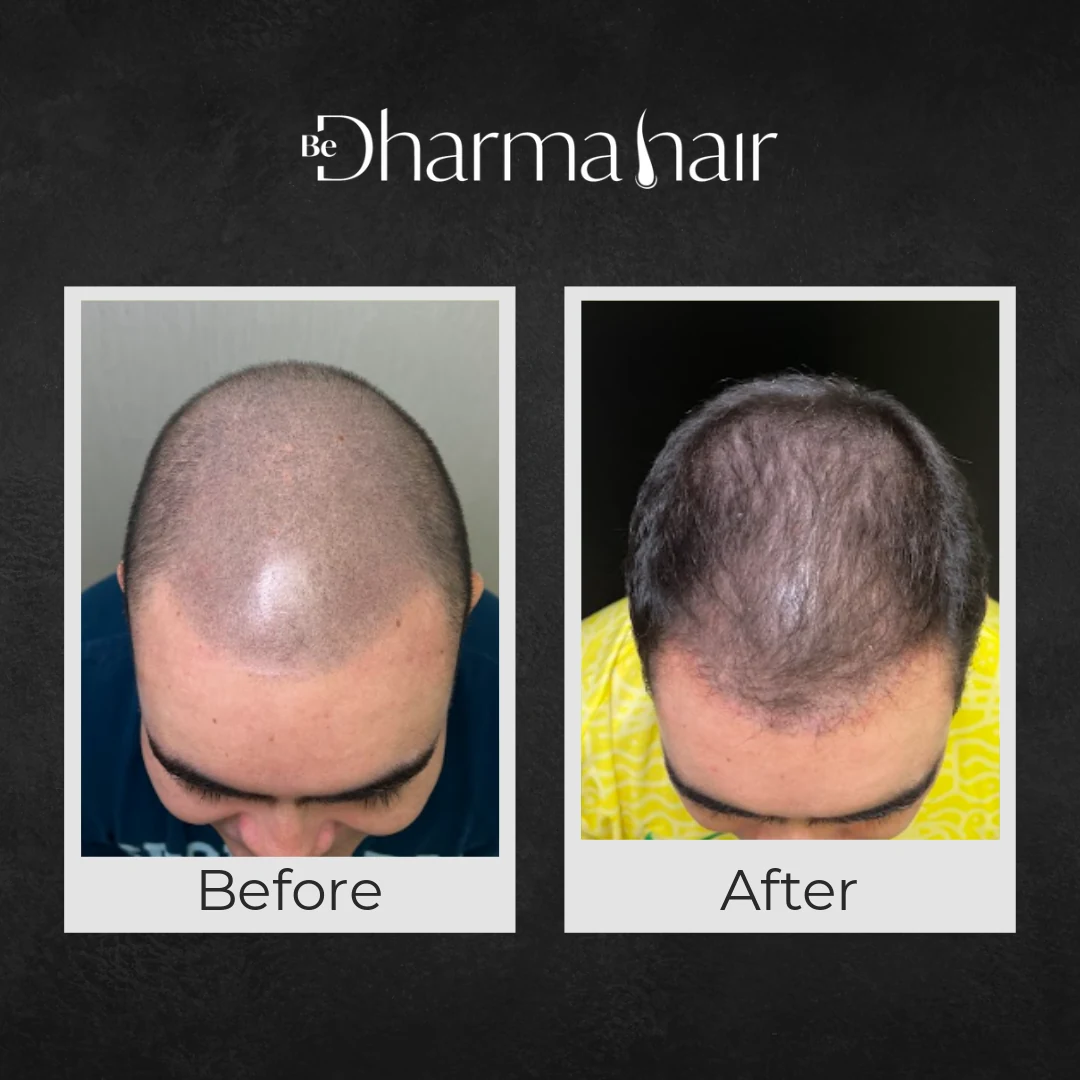
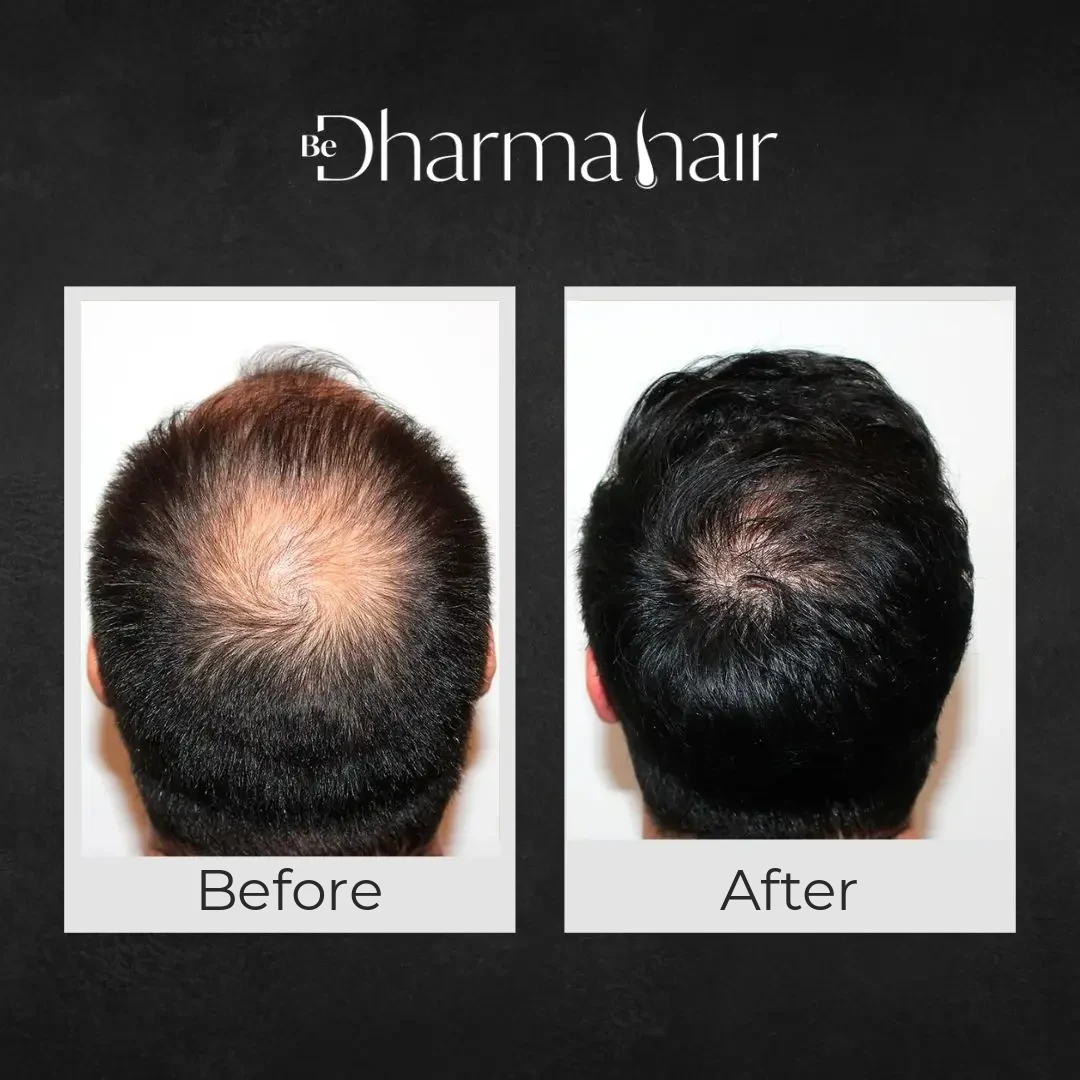
An ARTAS robotic hair transplant before and after looks like any good FUE result, because ARTAS iX is FUE: the robot changes how follicles are extracted, not how the finished hair looks. On this page you can see the ARTAS iX at work at Dharma Hair in Medellín, what the donor area looks like and real cases from our patients. We add robotic cases as each one is documented.

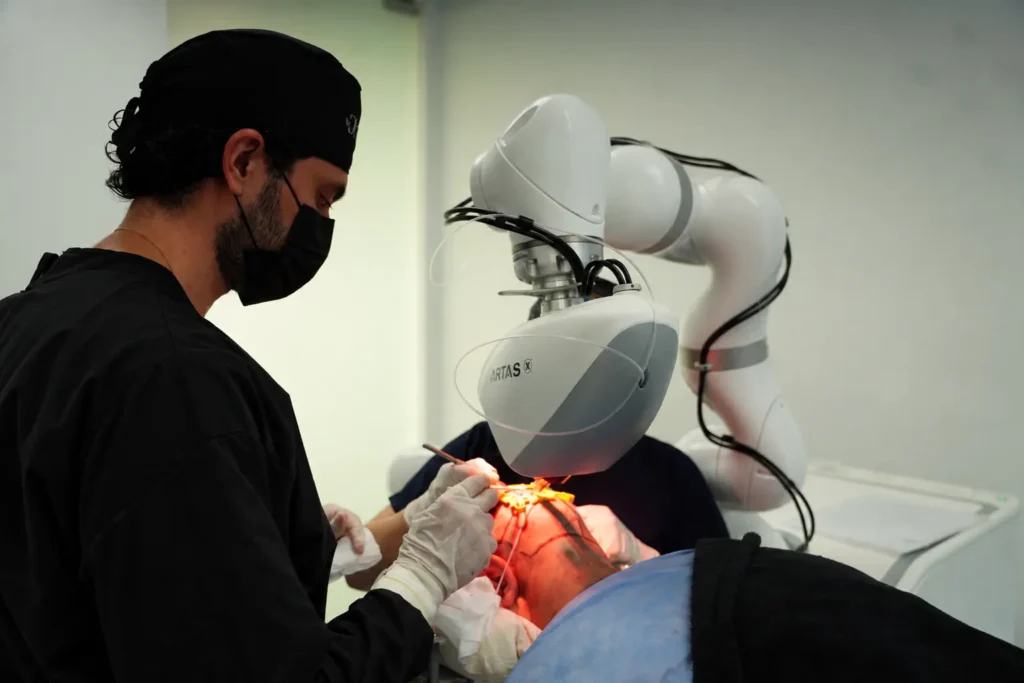
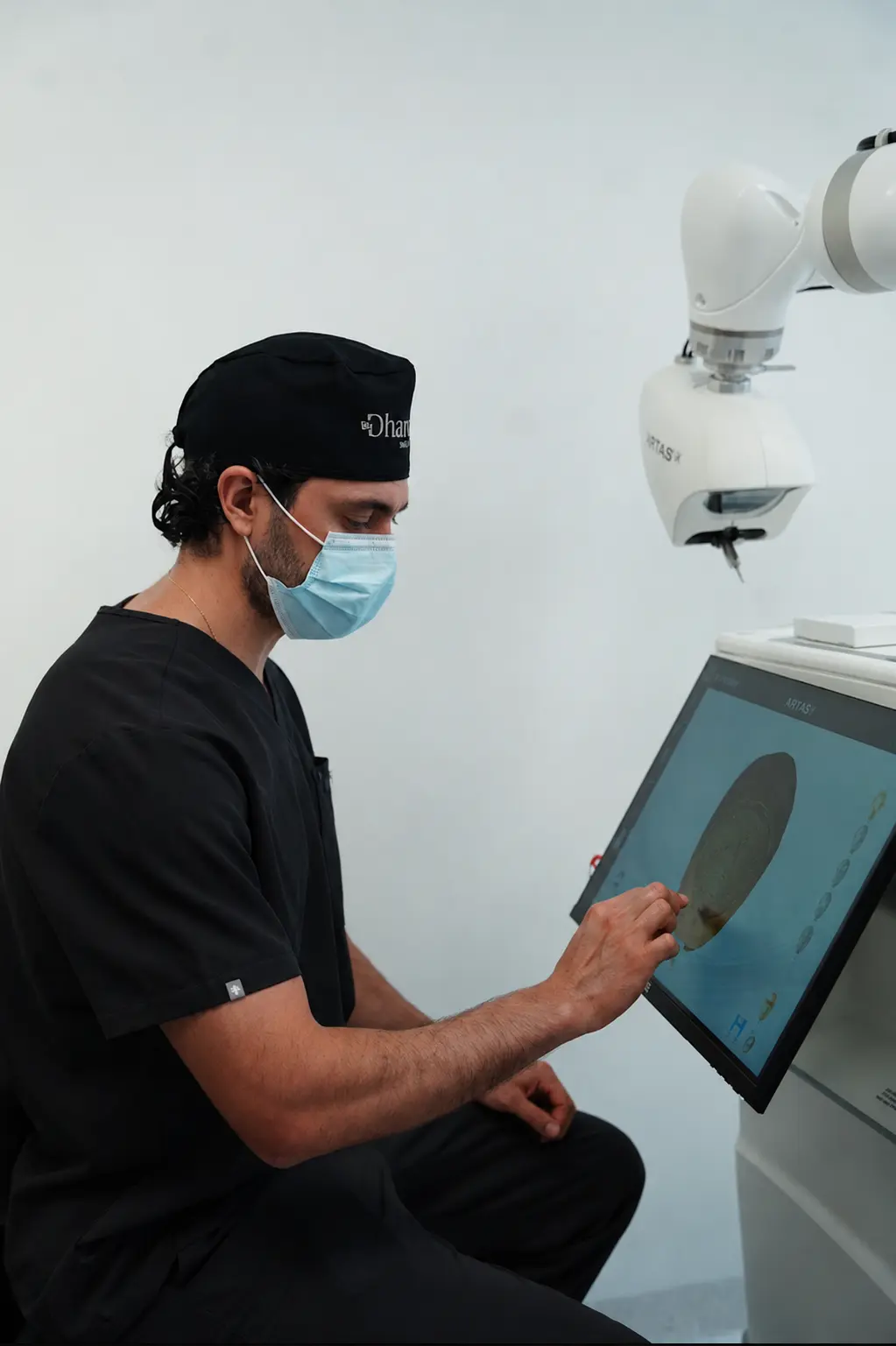
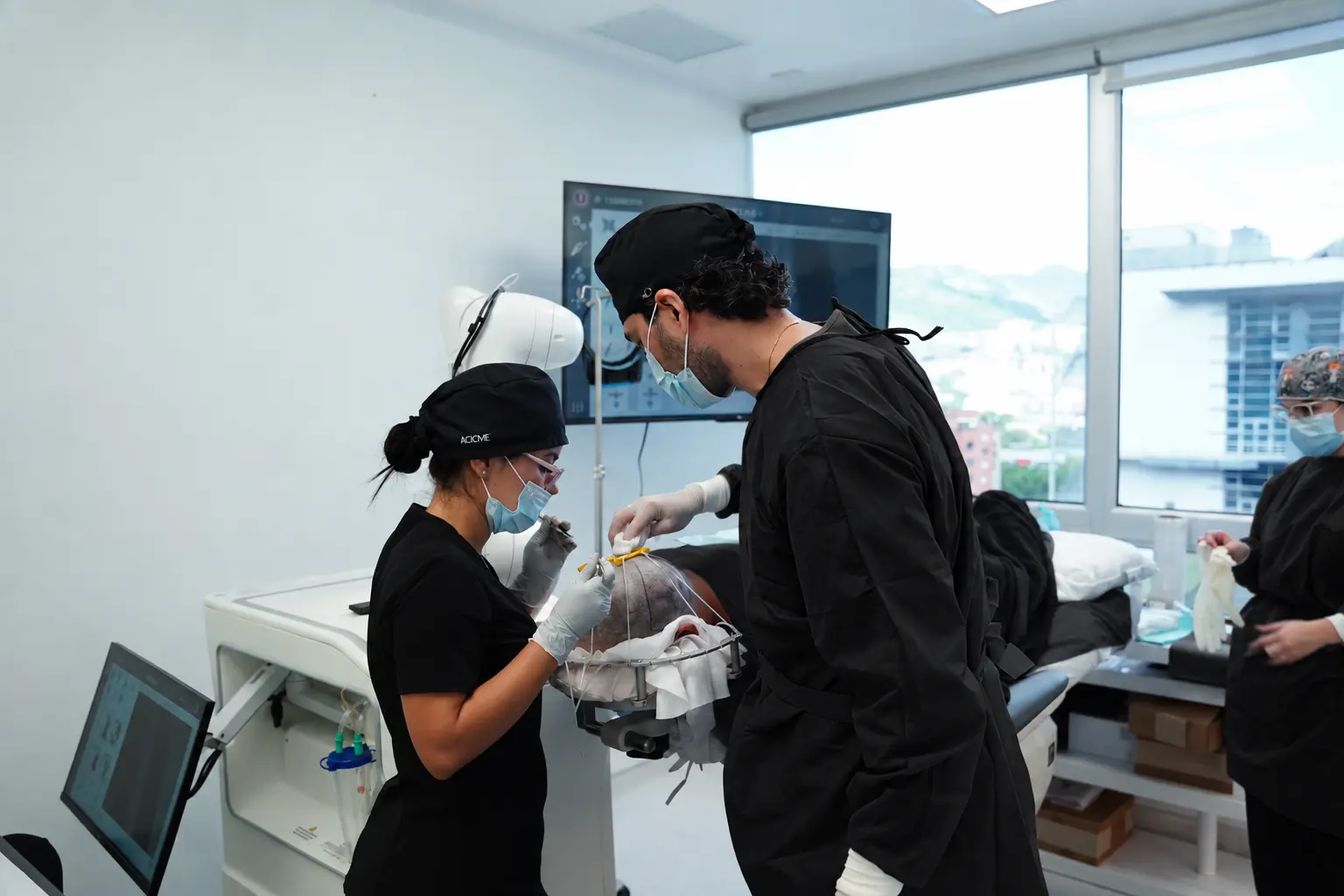
Dharma Hair surgeon working next to the ARTAS iX robot during a robotic hair transplant in Medellín

What is ARTAS iX? ARTAS iX is a robotic system for FUE (follicular unit extraction). Its cameras read the position, angle, size and direction of each follicle at the back of the head, and a robotic arm aligns the extraction tool with each one, under the surgeon’s control. The grafts are then placed by the medical team. A fair ARTAS before and after shows both the result and the donor area the follicles came from.

Before and after: real hair transplant cases at Dharma Hair

These are real Dharma Hair patients treated with FUE. We perform it by hand and with ARTAS iX, and label a case robotic only when that is documented.

Results vary from person to person. They depend on how much hair has been lost, the density of the donor area, hair thickness and color, and aftercare.

See every case in our hair transplant before and after gallery, or each stage in FUE hair transplant before and after.

Want to know if ARTAS iX fits your hair?

Get a free photo assessment

What ARTAS iX does during your procedure

ARTAS iX takes over one step: extracting follicles from the donor area. Planning, hairline design and graft placement stay with the medical team.

Dharma Hair surgeon planning a robotic hair transplant on the ARTAS iX touchscreen

1. Planning. The surgeon designs the treatment on the ARTAS screen, using a digital and 3D map of your scalp: where the hairline goes and which part of the donor area to use.

Planning a robotic hair transplant on the ARTAS iX screen.
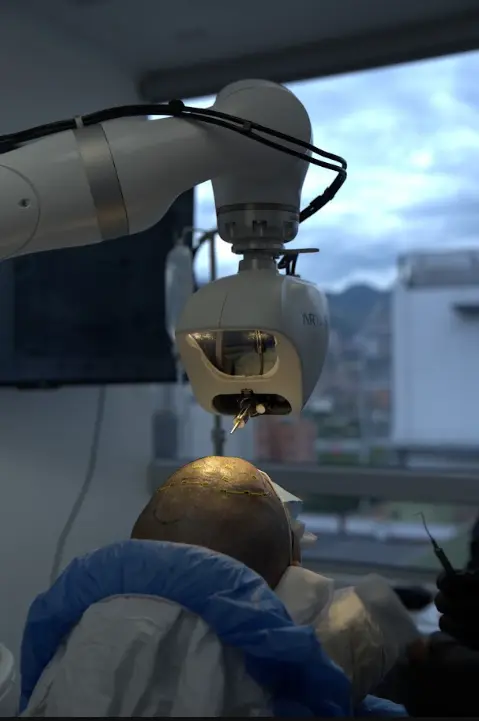
ARTAS iX robotic arm positioned over a patient's scalp during a hair transplant at Dharma Hair

2. Robotic extraction. The cameras analyze each follicular unit and the robotic arm aligns the tool with it. The system tracks small head movements and spreads extraction across the donor area the surgeon defined.

The ARTAS iX robotic arm over the patient's scalp.
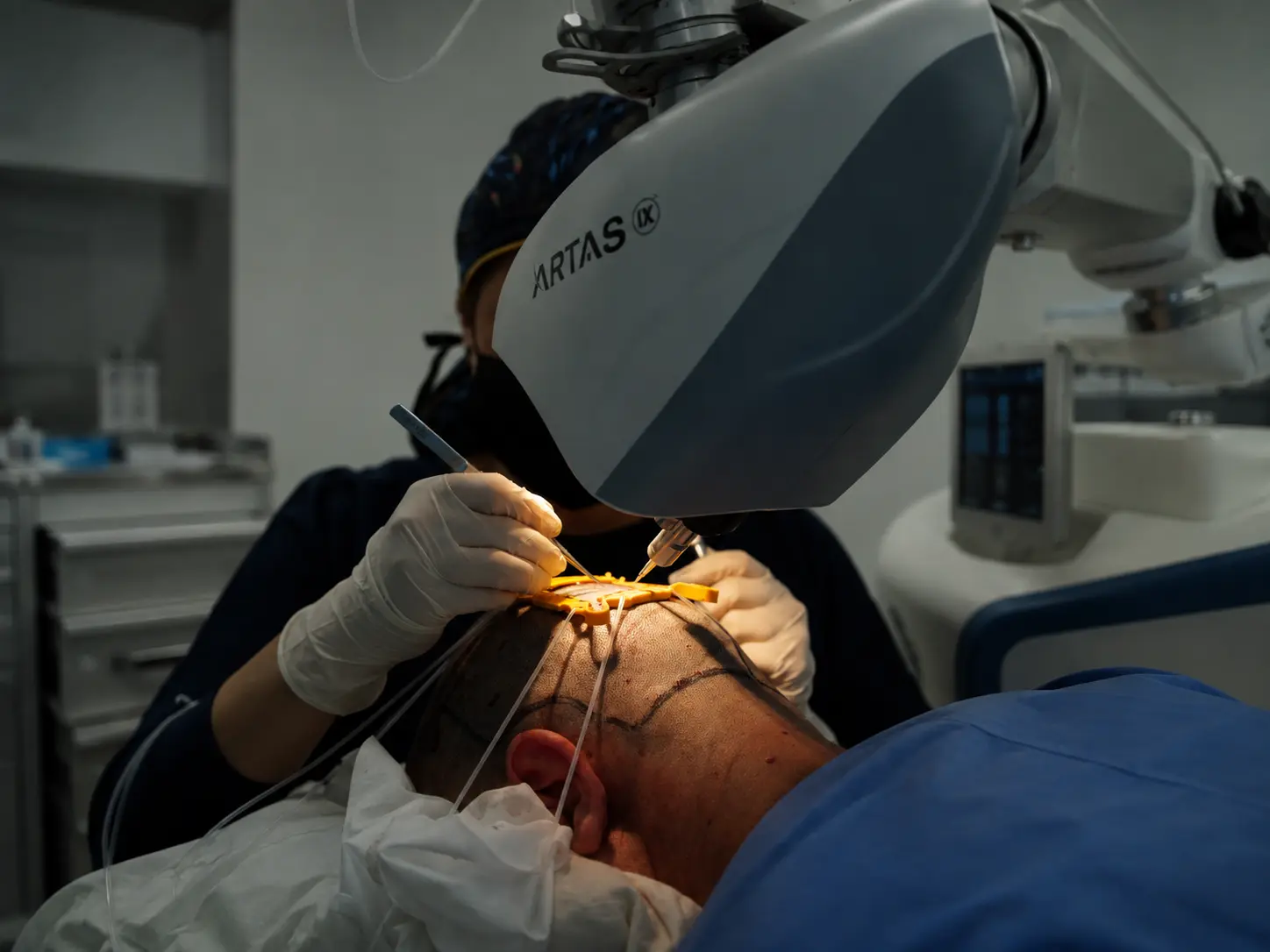
3. Implantation. The medical team places each graft by hand, following the design. See the full process step by step.

What the donor area looks like after robotic extraction

After ARTAS iX, the donor area has small round marks, not a line, because each follicle comes out through its own tiny opening. They heal as pale dots spread across the back of the head and are hidden by the surrounding hair.

ARTAS iX extracting follicles from the back of the head of a patient at Dharma Hair in Medellín
The ARTAS iX extracting follicles from the back of the head.
  • Extraction is spread out, so no single spot looks thin. Planning it well matters more than the tool.
  • Short hair is possible. With a typical cut, the marks are hidden by the surrounding hair. If you plan to shave your head to the skin, say so at your assessment.

The result

Does a robotic result look different from manual FUE?

No, a year later you cannot tell a robotic result from a manual one by looking at it. Both extract follicles one by one and leave no linear scar. What decides the result is the hairline design, how the grafts are handled and placed, and the quality of your donor area.
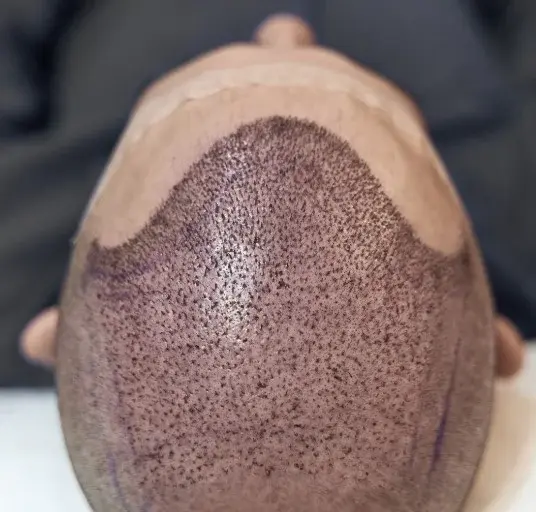
Recipient area of a hair transplant patient on the day of surgery, with the grafts in place, Dharma Hair Medellín
The recipient area on the day of surgery, with the grafts in place.

The transplanted hair goes through the same stages after a robotic or a manual extraction:

Weeks 1–2

Healing

Crusts and redness heal, at the front and at the back.

Weeks 2–8

Shedding

Most transplanted hairs shed. This is expected; the follicles stay in place.

Months 3–6

New growth

Fine new hairs start to grow.

Months 6–12

Visible change

The hair thickens and most of the change shows.

Months 12–18

Final result

Final density and texture.
14 monthsof medical follow-up at Dharma Hair
Remote check-insif you live abroad
Full timelineRead our month-by-month recovery guide

Candidates

Is ARTAS iX right for you?

The surgeon decides after reviewing your donor area, your pattern of hair loss and your hair type. Some cases are a better fit for the robot and others for manual FUE, and the four photos of your assessment are enough for a first answer.

Learn more about ARTAS robotic hair transplant and manual FUE, or see how both compare in our FUE before and after page.

Dharma Hair medical team with a patient during a hair transplant in Medellín

Free virtual assessment

Start with a free virtual assessment from home

Send us four photos and our medical team will tell you if ARTAS iX or manual FUE fits your case.

01

Front

With your hairline visible

02

Both sides

Left and right

03

Top

From above

04

Back

So we can see your donor area

Take them about 30 cm (12 inches) from your scalp, in good light and with dry hair. We will reply with the technique that fits your case (ARTAS iX robotic or manual FUE) and how to plan your hair transplant in Colombia.

Send your photos

Frequently asked questions

Does an ARTAS hair transplant leave scars?

ARTAS iX leaves small round marks at the back of the head, not a linear scar. With short or medium hair they are usually hidden; they can show if the head is shaved to the skin.

Is ARTAS better than manual FUE?

Neither is better for every patient: both are FUE, and the result depends more on planning and the medical team than on the tool. The surgeon recommends one after reviewing your donor area and hair type.

Were the patients on this page treated with ARTAS iX?

They were treated with FUE at Dharma Hair, by hand or with ARTAS iX, and we only mark a case as robotic when that is documented. We add robotic cases to this page as they are documented.

What are the risks of a robotic hair transplant?

The most common effects are temporary: swelling, redness, crusts, numbness and the expected shedding of transplanted hair. Less often, a patient may get an infection, inflamed follicles (folliculitis) or lower graft growth than expected. We explain them at your assessment.

Who is not a good candidate for ARTAS iX?

ARTAS iX is not a good fit when the donor area is too thin to cover the bald area, when there is an active scalp condition or an uncontrolled health problem, or when the expected density is more than the donor hair can provide. Your assessment tells you which applies.

Hair Restoration in Medellín

Get in touch and start your assessment