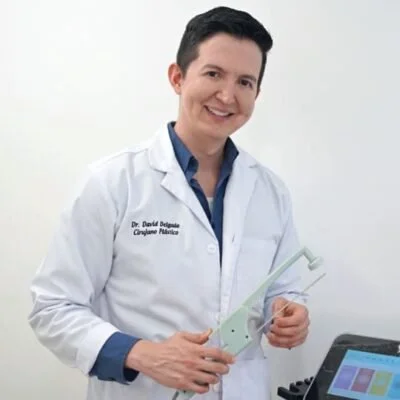
Dr. David Delgado
Plastic Surgeon · Medical Director, Dharma Hair
Member of the Colombian Society of Plastic Surgery (SCCP) · +10 years of experience
Published: marzo 16, 2026 · Updated: abril 13, 2026
You have probably spent hours scrolling through photos, looking at other people who went through a restoration procedure, trying to figure out if the change is real or filtered beyond recognition. That search for proof is completely natural. When something involves your appearance, your confidence, and a significant financial decision, you want evidence. Not promises. Not stock photos. Not dramatic lighting tricks that make anyone look like a different person.
The truth is that real outcomes are messier and more nuanced than what most clinics show you. They involve swelling in the first week. Shedding at month one that makes you question everything. Patchy regrowth at month three that does not look anything like the final picture. And then, somewhere around month eight to twelve, the pieces come together into something that actually changes how you see yourself in the mirror. That full arc is what matters, and it is the part that gets left out of the highlight reels.
This article is built around what real patients experience across the entire timeline, from the first days after the procedure through the final growth phase. We are going to cover the emotional and physical recovery, walk through documented cases at our clinic in Medellin, lay out the month-by-month evolution, and give you practical guidance on what separates a good outcome from an exceptional one. Everything here reflects clinical experience with hundreds of patients, not theoretical predictions.
What to Expect After the Procedure: The Physical and Emotional Reality
Most patients walk into the clinic focused entirely on the end result: a fuller head of hair, a restored hairline, a version of themselves they have not seen in years. That focus on the destination is understandable, but it leaves them unprepared for the journey. The recovery after a follicular unit extraction involves a sequence of physical changes and emotional responses that nobody talks about until you are living through them. Understanding this timeline in advance is one of the most important things you can do to protect both your peace of mind and your outcome.
In the first 48 hours, the recipient area looks red and swollen. Tiny crusts form around each implanted graft. The donor area at the back of the scalp feels tight, sometimes mildly sore. By day three or four, some patients experience swelling that migrates down to the forehead and even the upper eyelids. This is a normal inflammatory response to the micro-trauma of thousands of tiny incisions. It looks alarming if nobody warned you. It resolves on its own within a couple of days.
Then comes the phase that tests every patient psychologically: the shedding period. Between weeks two and six, the transplanted hair shafts fall out. Not some of them. Almost all of them. This is shock loss, and it is a completely normal part of the follicular cycle resetting after the trauma of being extracted and reimplanted. The follicles are alive beneath the skin. They are entering a resting phase before beginning their new growth cycle. But knowing that intellectually and watching your transplanted hair disappear are two very different experiences.
"I tell every patient the same thing before surgery: there will be a moment around week three or four when you will feel like nothing is happening, or worse, that it is going backwards. That moment is not a complication. It is biology. The follicle is resetting. The patients who understand this are the ones who handle the recovery with the least anxiety and the best compliance with post-operative care." — Dr. David Delgado, board-certified plastic surgeon, Dharma Hair
The emotional dimension is something clinics rarely address directly, but it matters enormously. Many patients experience a dip in confidence during months two through four, when the transplanted area looks thin and patchy and the final density has not yet materialized. Some describe feeling regret during this window. Others avoid social situations or wear hats constantly. These reactions are normal and temporary, but they are significantly less distressing when patients are told in advance exactly what the timeline looks like.
By month four or five, new growth becomes visible. Fine, light-colored hairs begin emerging from the transplanted follicles. They look wispy at first, nothing like the thick terminal hairs they will eventually become. Over the following months, these hairs thicken, darken, and gradually blend with the surrounding native hair. The transformation is incremental, which means most people around you will not notice a sudden dramatic change. They will simply perceive that you look better, healthier, younger, without being able to pinpoint exactly why.
Understanding that the process involves discomfort, shedding, a dormant phase, and then progressive growth over 8 to 14 months is not discouraging. It is empowering. It means you can plan your life around the timeline, manage your expectations with precision, and evaluate your progress against a realistic benchmark rather than an Instagram fantasy.
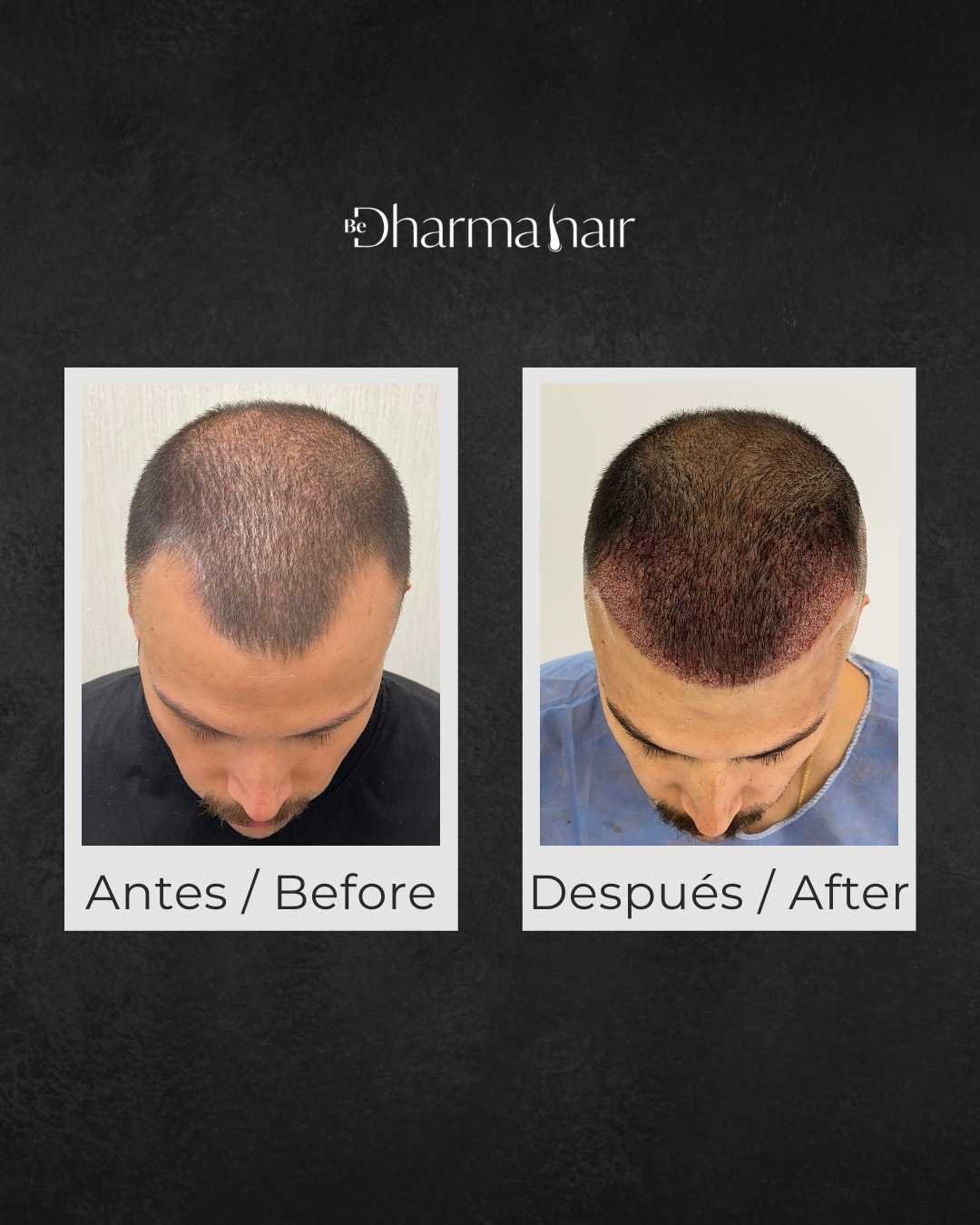
Real Cases at Be Dharma Hair in Medellin: Different Starting Points, Different Journeys
One of the most misleading aspects of online research is the impression that every patient starts from the same place and ends up with the same result. In reality, outcomes vary significantly based on the degree of hair loss at the time of the procedure, the quality and density of the donor area, the patient's age, their adherence to post-operative protocols, and even their individual biology. Two patients who receive the same number of grafts on the same day can have noticeably different timelines and outcomes. That variation is not a flaw in the procedure. It is the nature of biological processes.
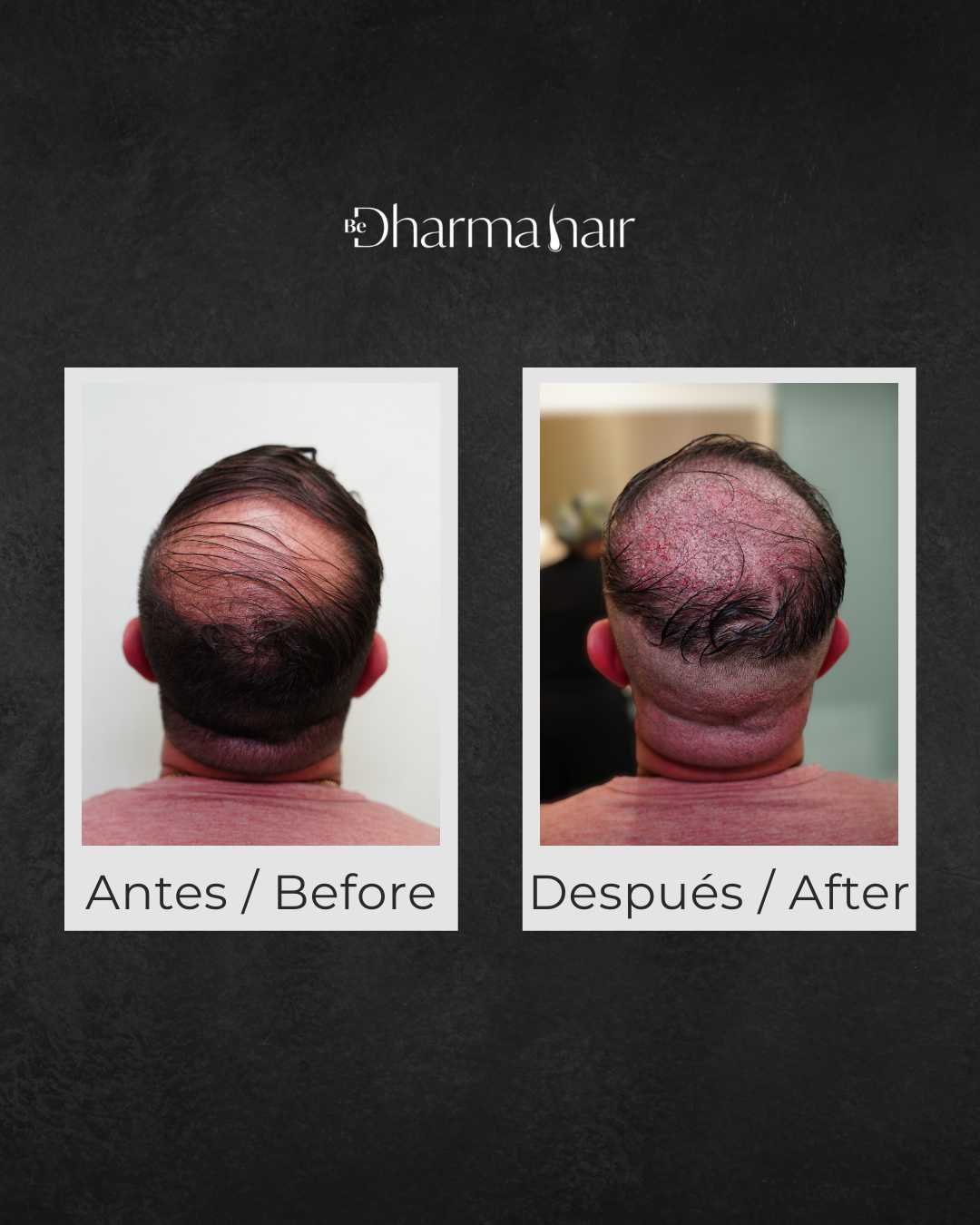
At Dharma Hair, we document every case from the initial consultation through the final follow-up. What follows are representative examples that illustrate the range of experiences our patients go through. These are not cherry-picked success stories. They are typical cases that reflect the honest spectrum of what this procedure can achieve.
Case profiles from Dharma Hair patients
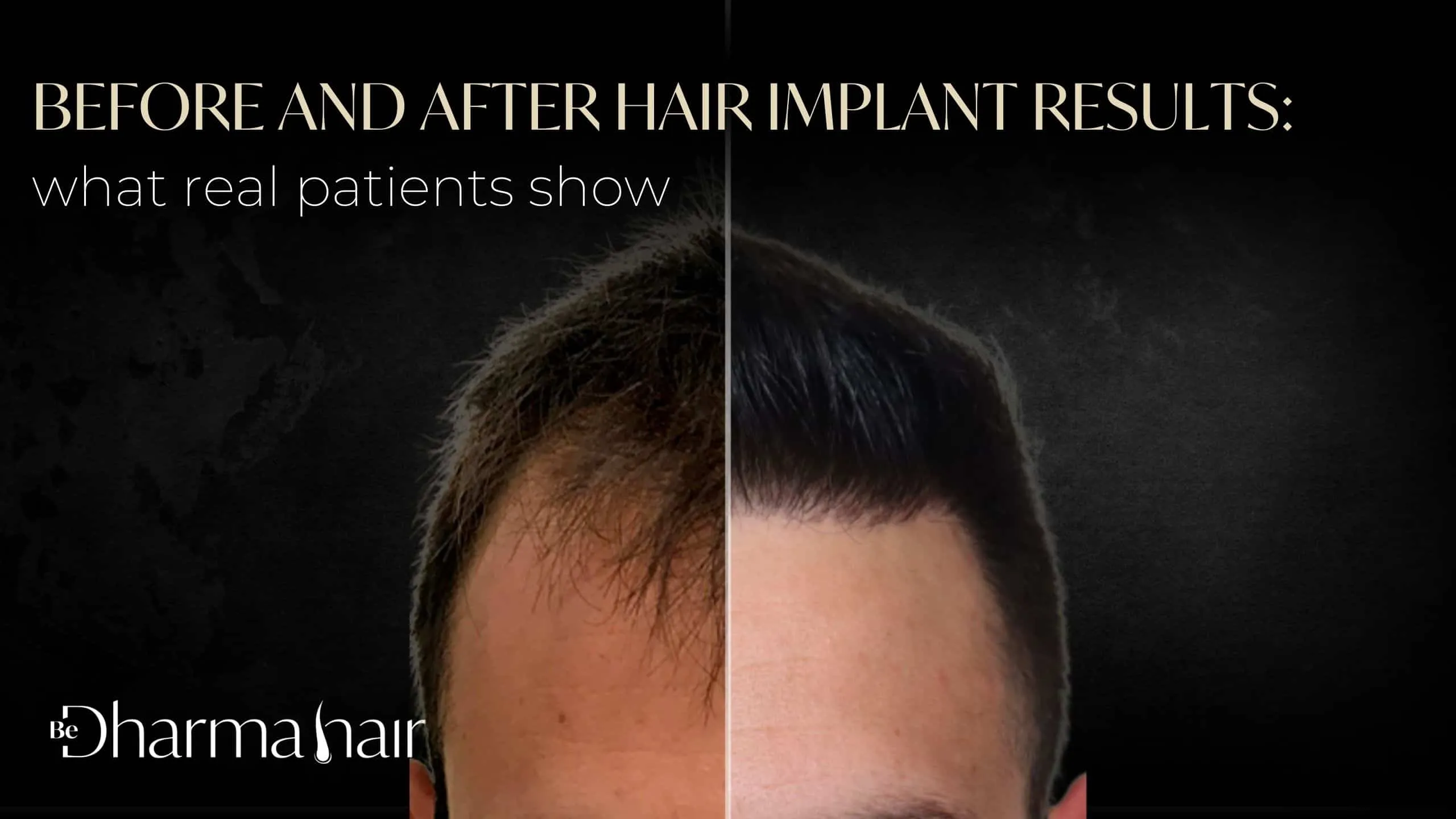
- Early-stage receding hairline, male, age 29: This patient came in with Norwood class III recession at the temples but strong donor density. We placed 2,200 grafts focused entirely on the frontal hairline and temporal points. By month five, early growth was clearly visible. By month ten, the hairline was fully restored with natural density. His case illustrates that early intervention with a conservative graft count can produce excellent coverage when the starting conditions are favorable.
- Advanced crown thinning, male, age 42: This patient had Norwood class V loss, including significant crown thinning and a receded frontal line. The surgical plan required 3,800 grafts distributed across the frontal zone, mid-scalp, and vertex. Growth was slower in this case, with meaningful density not appearing until month seven. The final outcome at fourteen months showed dramatically improved coverage, though the crown area remained less dense than the frontal zone because vertex grafts tend to produce slightly lower apparent density due to the swirl pattern of growth direction.
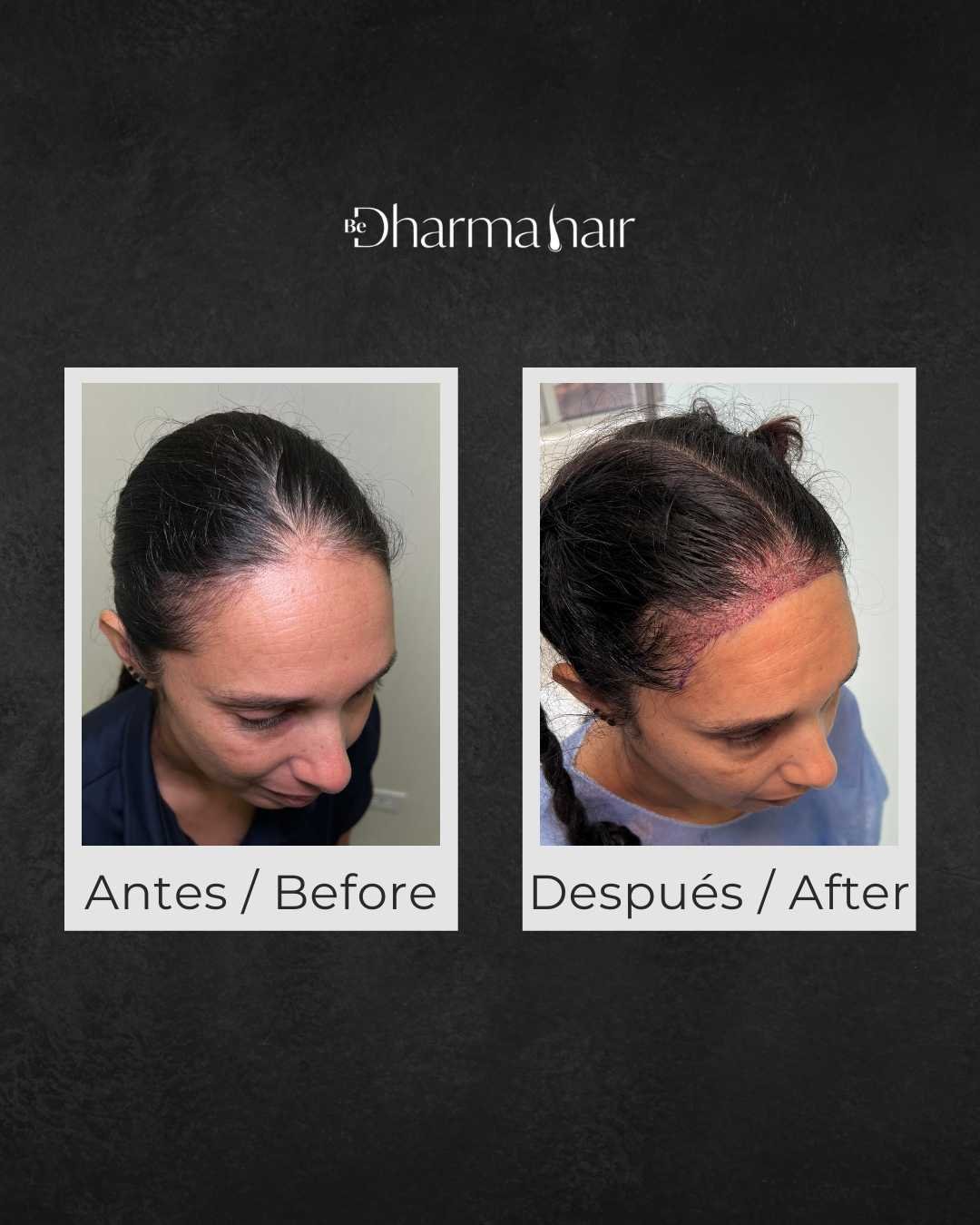
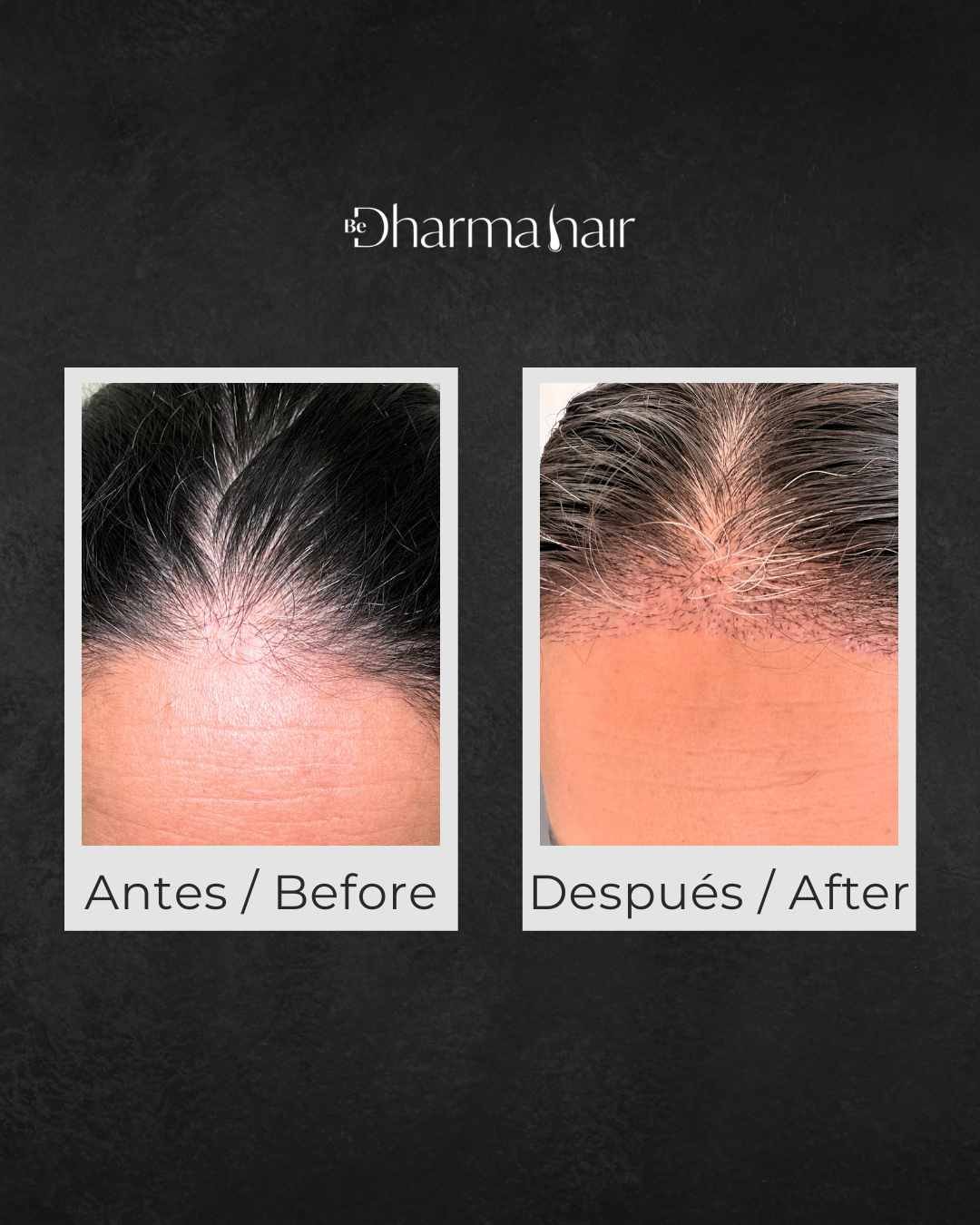
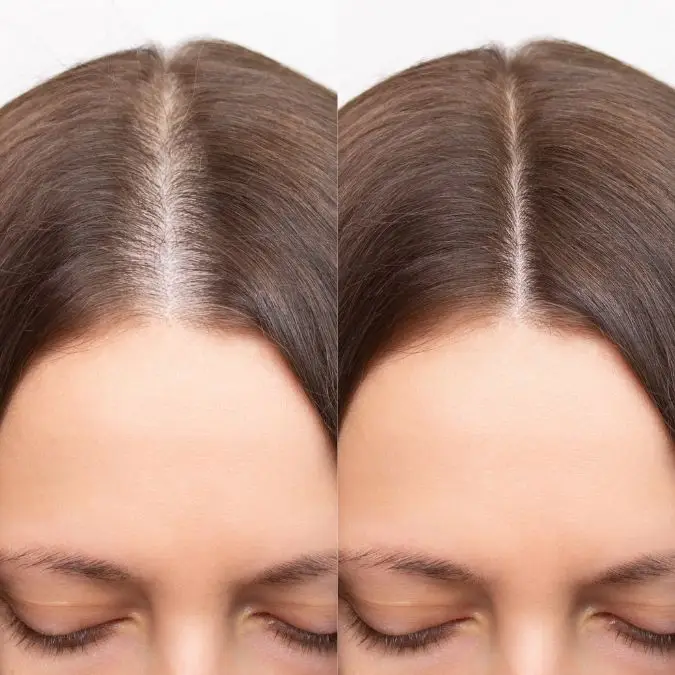
- Diffuse thinning, female, age 35: Female cases require a fundamentally different approach. This patient had Ludwig class II diffuse thinning across the top of the scalp with an intact hairline. We placed 1,600 grafts between existing hairs to increase overall density without creating visible rows or patterns. Her recovery was emotionally the most challenging of these three cases because the improvement is subtle and gradual, not the dramatic before-and-after contrast you see with male hairline restoration. But at month twelve, her parting line was significantly tighter and the see-through effect on the crown had been eliminated.
- Corrective case after previous procedure elsewhere, male, age 38: This patient had undergone a poorly executed procedure at another clinic that left him with an unnatural, pluggy hairline and visible scarring in the donor area. Our surgical plan involved removing and redistributing some of the misplaced grafts while adding 2,100 new grafts to create a natural density gradient. Corrective cases take longer to show final results because the tissue has been previously traumatized. His outcome at sixteen months was a natural-looking hairline that no longer drew attention for the wrong reasons.
At Different Stages of the Process: Why Timing Changes Everything
The stage at which a patient seeks treatment fundamentally shapes what is possible. Patients who come in during the early stages of hair loss, when the hairline has just begun to recede or the crown has started thinning, have the broadest range of options. Fewer grafts are needed, the donor area is fully preserved for potential future sessions, and the existing native hair can be supported with medical therapy to slow further loss. The combination of early surgical intervention plus ongoing medical management produces the most natural and long-lasting outcomes.
Patients who wait until hair loss is advanced face a different calculation. The area requiring coverage is larger, the number of grafts needed is higher, and the donor area may not have sufficient density to achieve full coverage in a single session. In these cases, the surgical strategy shifts toward prioritizing the frontal zone and mid-scalp, which have the greatest impact on facial framing and perceived fullness, while managing expectations about crown coverage. Some advanced cases require two sessions spaced 12 to 18 months apart to achieve the patient's goals.
The critical variable across all stages is donor area quality. The hair follicles at the back and sides of the scalp are genetically programmed to resist the hormonal signals that cause pattern baldness. These follicles retain their resistance to miniaturization even after being transplanted to the top of the scalp. But donor area density is finite. It cannot be created, only redistributed. This is why responsible surgical planning always accounts for potential future needs, preserving enough donor reserves for additional work if the patient's hair loss continues progressing.
"I always evaluate the donor area as if the patient will need a second session in the future, even if they hope they will not. A surgeon who depletes the donor area in one aggressive session leaves the patient with no options if their loss progresses. Conservative donor management is not about doing less. It is about planning intelligently for a condition that evolves over decades." — Dr. David Delgado, board-certified plastic surgeon, Dharma Hair
Month by Month Evolution: What Changes and When You Will See It
The timeline of recovery and growth follows a biological sequence that is remarkably consistent across patients, even though the exact pace varies based on individual factors. Knowing what to expect at each stage eliminates the guesswork and gives you a framework for evaluating your own progress without unnecessary panic or premature celebration.
Growth timeline from procedure day through month fourteen
Week 1:
Redness, micro-crusts around each graft site, mild swelling. The transplanted area looks like a freshly seeded garden. The donor area shows tiny dot-like wounds that begin closing within days. Most patients can return to desk work by day 5 to 7. Strenuous exercise, direct sun exposure, and swimming must be avoided.
Weeks 2 to 6:
The shedding phase. Transplanted hair shafts fall out as the follicles enter their telogen (resting) phase. This is the period that causes the most anxiety, and it is completely expected. The crusts have fallen off by now, and the scalp returns to a relatively normal appearance, though the transplanted zone looks essentially bare. The donor area has healed almost completely, with tiny pink dots that fade over the following weeks.
Months 2 to 3:
The dormant phase. Nothing visibly changes. The follicles are alive beneath the skin, reorganizing their cellular structures and preparing to enter the growth phase (anagen). This is the hardest period psychologically because there is no visible progress. Patience is the only strategy. Some patients notice very fine, almost invisible hairs beginning to emerge toward the end of month three, but many do not see anything yet.
Months 4 to 5:
Early growth becomes visible. Fine, light-colored hairs emerge from the transplanted follicles. They are thin and wispy, resembling peach fuzz more than terminal hair. The coverage is uneven because not all follicles exit the resting phase simultaneously. Some areas show more growth than others. This is normal and does not indicate uneven graft survival. It simply reflects the natural variation in follicular cycling.
Months 6 to 7:
Have questions about your case?
Talk to our medical team. A personalized evaluation is the only way to know if a hair implant is right for you.
Message us on WhatsAppMeaningful change. Approximately 50 to 60 percent of the transplanted follicles are now producing visible hair. The hairs are thickening, darkening, and beginning to blend with the surrounding native hair. Patients start to see the outline of their new density, even though the final result is still months away. This is typically when patients first feel genuinely encouraged about their progress.
Months 8 to 10:
Significant improvement. Around 70 to 80 percent of growth has materialized. Hair texture and caliber are approaching their final state. The transplanted zone integrates more naturally with the rest of the scalp. Patients can style their hair with much more freedom and many report that this is the point where people around them start commenting that they look different without knowing exactly why.
Months 12 to 14:
Full maturity. Ninety to one hundred percent of growth has come in. Hair texture is at its final caliber and the transplanted follicles have fully integrated into the scalp's natural growth pattern. The final evaluation happens at this point, comparing the result against the pre-operative photos and the planned outcome. Some patients, particularly those with very fine hair or lighter coloring, may see continued subtle improvements for up to 18 months.
One important nuance that gets lost in simplified timelines: the growth rate is not linear. Patients often experience an acceleration between months six and nine where it seems like density is increasing rapidly, followed by a more gradual refinement phase where individual hairs thicken and the overall appearance becomes more polished. The visual impact is front-loaded in the second half of the timeline, which means the majority of the visible transformation happens in a relatively compressed window after months of waiting.
Medical therapy during this period plays a supporting role that should not be underestimated. Minoxidil, when prescribed as part of the post-operative protocol, can accelerate the onset of the growth phase and improve the quality of both transplanted and native hair. Finasteride or dutasteride, when appropriate for the patient's profile, helps protect existing native hair from continued miniaturization. The combination of surgical restoration and ongoing medical management produces outcomes that are consistently superior to either approach alone.
Tips to Achieve Exceptional Outcomes: Quality, Planning, and Patient Responsibility
The outcome of a restoration procedure is not determined by a single factor. It is the product of three things working together: the quality of the medical team and the procedure itself, the thoroughness of the pre-operative plan, and the patient's compliance with post-operative care. When all three are aligned, the results speak for themselves. When any one of them falls short, the outcome suffers accordingly.
Choosing the Right Team
The surgeon's experience and judgment are the most important variables in the entire process. A skilled surgeon knows how to design a hairline that looks natural for your age and facial structure. They know how to manage the donor area conservatively to preserve options for the future. They understand the biomechanics of graft placement, including the angle, depth, and direction that each follicular unit needs to be inserted to mimic the natural growth pattern of the surrounding hair.
Equally important is the team supporting the surgeon. The technicians who handle graft preservation, sorting, and loading directly influence graft survival rates. A well-coordinated team minimizes the time each graft spends outside the body, maintains optimal preservation conditions, and ensures that single-hair, double-hair, and multi-hair grafts are placed in the appropriate zones. This is not a one-person operation. It is a team effort where precision at every stage compounds into the final result.
When evaluating clinics, look beyond price. Ask about the surgeon's specific credentials in this type of procedure. Ask how many grafts the team can handle in a single session without compromising quality. Ask about graft survival rates, not in theory, but in their documented practice. And look at actual patient photos taken at standardized angles under consistent lighting, not curated social media content with filters and dramatic before-and-after staging.
Following the Post-Operative Protocol
The two weeks immediately following the procedure are the most critical for graft survival. During this window, the transplanted follicles are establishing their blood supply in the new location. Any disruption, whether from physical impact, excessive washing pressure, sun exposure, or premature exercise, can compromise graft anchoring and reduce the survival rate.
Specific protocols vary by clinic, but the fundamentals are consistent: sleep with your head elevated for the first week to minimize swelling. Do not touch, scratch, or pick at the recipient area. Wash your hair gently using the specific technique your medical team demonstrates, usually starting 48 hours after the procedure. Avoid helmets, tight hats, and anything that creates friction against the transplanted area for at least three weeks. Do not smoke, as nicotine constricts blood vessels and directly impairs the healing process. Avoid alcohol for the first week as it promotes swelling and can interfere with any prescribed medications.
After the initial healing period, compliance shifts to the longer-term medical protocol. If your surgeon prescribes minoxidil, finasteride, or other supportive therapies, consistency matters. These are not optional extras. They are part of the treatment plan designed to protect your investment and ensure that the native hair surrounding the transplanted zone remains healthy and thick, maintaining the overall density that makes the final result convincing.
Factors that directly influence your outcome
- Surgeon's experience, specifically in follicular extraction and natural hairline design
- Team coordination during graft handling, preservation, and implantation
- Pre-operative diagnostic thoroughness, including blood work and donor area assessment
- Realistic surgical plan that accounts for current loss and future progression
- Patient compliance with post-operative care during the first 14 critical days
- Consistency with prescribed medical therapy (minoxidil, finasteride) over months
- Nutrition, hydration, and overall health during the recovery and growth period
- Avoiding smoking, excessive alcohol, and direct sun exposure during recovery
Ready to See Your Own Transformation: What We Look For in Every Patient
When we evaluate a patient at Dharma Hair, the goal is never simply to add hair to a bald area. The goal is to restore three specific qualities that define a natural, healthy-looking head of hair: a stronger hairline, improved density, and visual balance across the entire scalp. Each of these elements plays a distinct role in the final perception, and our surgical planning addresses all three simultaneously.
The hairline is the frame. It is what people see first, even subconsciously. A well-designed hairline is not a perfectly straight line of uniform hair. It is a slightly irregular, feathered border made up of single-hair grafts placed at low angles to replicate the way natural hair emerges at the frontal edge. The transition from the hairline into the denser zone behind it should be gradual, not abrupt. When this is done correctly, even a relatively modest number of grafts can produce a dramatic improvement in how someone looks, because the hairline has an outsized influence on facial framing and perceived age.
Density is about coverage. But density is also relative to what was there before and what the surrounding native hair provides. In many cases, we do not need to match the full original density of someone's 20-year-old hair. We need to create sufficient coverage that the scalp is not visible under normal lighting conditions and that the hair responds to styling in a natural way. Strategic graft placement means putting higher-density clusters in the zones that matter most visually and using slightly lower density in areas that are less exposed.
Balance is the element that separates a technically adequate procedure from one that looks truly natural. Balance means that the density gradient from the hairline to the crown follows a natural pattern. It means the temporal points are appropriate for the patient's gender and facial proportions. It means the crown whorl is addressed in a way that respects the spiral growth pattern rather than fighting against it. And it means the relationship between the transplanted zone and the remaining native hair is seamless, with no visible line of demarcation.
"Every patient's face tells me where the hairline should go. It is not a formula. It is a combination of facial proportions, symmetry, bone structure, and age. I spend as much time designing the hairline as I do executing the surgery, because a perfectly placed graft in the wrong location is still a bad result. The artistry and the medicine have to work together." — Dr. David Delgado, board-certified plastic surgeon, Dharma Hair
Start Your Journey at Be Dharma Hair
Dharma Hair is located in Medellin, Colombia, and serves both local and international patients. Our team is led by Dr. David Delgado, a board-certified plastic surgeon who specializes exclusively in hair restoration. Every patient receives a comprehensive diagnostic evaluation before any surgical recommendation, and every surgical plan is customized based on the individual's hair loss classification, donor area quality, facial anatomy, and long-term goals.
We believe that informed patients make better decisions and experience better outcomes. That is why every consultation includes a detailed explanation of what is achievable, what the timeline looks like, what the recovery involves, and what the costs are. No pressure. No inflated promises. Just a clear, honest assessment and a plan that makes medical sense.
If you are considering restoring your hair and want to understand what realistic outcomes look like for your specific situation, the first step is a consultation. You can reach our team directly through WhatsApp to schedule your evaluation or ask any questions you have about the process.
Frequently Asked Questions
How long does it take to see the final outcome after a follicular unit extraction?
Is the shedding that happens after the procedure a sign that something went wrong?
Can women undergo the same type of procedure as men?
How many grafts will I need?
Will the transplanted hair look natural?
What happens if my hair loss continues after the procedure?
Is the procedure painful?
Why choose Dharma Hair in Medellin over other clinics?
Continue reading about hair implant in Colombia
Scientific References
1. Harris JA. (2013). Follicular unit extraction. Facial Plast Surg Clin North Am. PMID: 24017979
2. Goldin J. Hair Transplantation. StatPearls [Internet]. PMID: 31613520
Dharma Hair — Specialized Hair Restoration
Torre Médica Oviedo, Cll 6 Sur #43A-227, Office 701, Medellín, Colombia
Phone/WhatsApp: +57 321 226 5964 · Email: clinicabedharma@gmail.com
Medical Director: Dr. David Delgado — Plastic Surgeon, SCCP Member