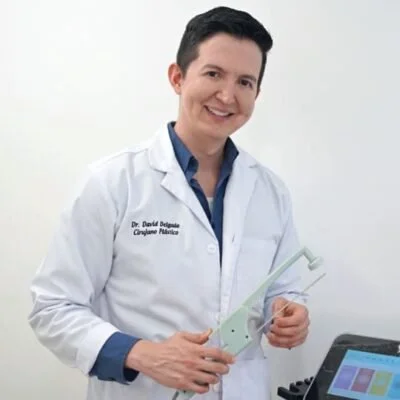
Dr. David Delgado
Plastic Surgeon · Medical Director, Dharma Hair
Member of the Colombian Society of Plastic Surgery (SCCP) · +10 years of experience
Published: febrero 9, 2026 · Updated: abril 13, 2026
Making the decision to restore your hair is significant. It involves your appearance, your confidence, and in many cases, years of accumulated frustration watching your hairline recede or your crown thin out. But between that decision and the actual result, there is a process that most people do not fully understand before they commit. That gap in understanding creates anxiety, unrealistic expectations, and sometimes poor outcomes when patients choose clinics based on price alone without knowing what the procedure actually involves.
This article walks you through the entire journey from a medical perspective. Not the marketing version. Not the oversimplified social media reel. The real clinical process, from the initial diagnostic evaluation to the months of gradual growth that follow the procedure. If you are considering restoring your hair, this content will give you the foundation to ask the right questions, set realistic expectations, and understand why the quality of your medical team matters more than any technology or technique name.
We are going to cover how the diagnosis works, what happens during the procedure itself, how recovery unfolds month by month, what the actual risks are, and why Dharma Hair in Medellin approaches this differently from most clinics. Everything explained in plain language, backed by clinical reality.
Step by Step: From Diagnostic Evaluation to the Operating Room
The process does not begin in the operating room. It begins weeks before, during an evaluation that determines whether you are a candidate, what approach is best for your specific type of hair loss, and what result is realistically achievable given your donor area, your age, and the progression pattern of your alopecia. Skipping or rushing this phase is the single most common reason patients end up disappointed with their results elsewhere.
The Comprehensive Evaluation: More Than Just Looking at Your Scalp
A proper evaluation covers several dimensions that most patients do not expect. The medical team assesses the classification of your hair loss using standardized scales, specifically the Norwood scale for men and the Ludwig scale for women. But classification alone is not enough. The surgeon needs to evaluate your donor area density, the caliber and grouping of your follicular units, the elasticity of your scalp tissue, and your overall health profile.
Trichoscopy, a non-invasive magnification technique, allows the team to visualize the miniaturization of follicles in real time. This reveals whether your hair loss is still actively progressing or has stabilized, which directly impacts the surgical plan. Operating on a patient whose hair loss is still accelerating without a stabilization strategy means the native hair surrounding the transplanted area will continue to thin, eventually creating an unnatural contrast between transplanted and non-transplanted zones.
Blood work is also part of the evaluation. Thyroid function, ferritin levels, vitamin D, hormonal panels: these tests are not optional extras. Nutritional deficiencies and hormonal imbalances can contribute to hair loss independently of genetic factors, and addressing them can improve both the surgical outcome and the health of your remaining native hair.
During this evaluation, the surgeon designs the hairline. This is an artistic decision as much as a medical one. The hairline must be age-appropriate, symmetrical, and positioned in a way that will look natural not just today but in 10 or 20 years. A 25-year-old patient who insists on the hairline they had at 16 is setting themselves up for an unnatural result as their face matures. A responsible surgeon explains this clearly and designs accordingly.
"The evaluation is where the real work begins. I need to understand not just what the patient has lost, but what they are going to lose in the future. If I only solve today's problem without planning for the next ten years, I am doing the patient a disservice. Every graft we place has to make sense long-term." — Dr. David Delgado, board-certified plastic surgeon, Dharma Hair
During the Procedure: What Actually Happens
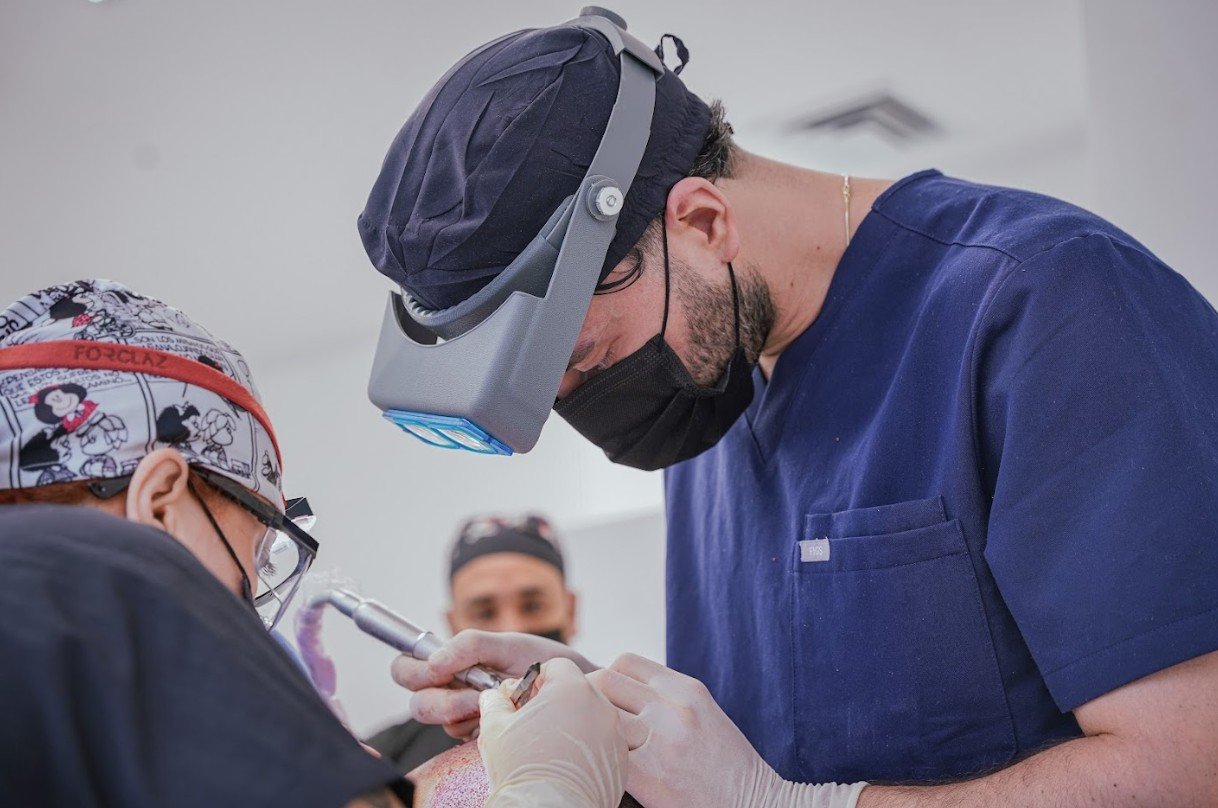
On the day of surgery, the patient arrives having followed pre-operative instructions: no alcohol for at least 48 hours, no blood-thinning medications, and a good night of sleep. The procedure begins with marking the recipient area and confirming the design with the patient while they are seated upright, because lying down changes the natural fall of the hairline.
Local anesthesia is applied to both the donor and recipient areas. This is the only moment of discomfort that patients consistently report: a brief stinging sensation that lasts less than a minute. Once the anesthesia takes effect, the procedure is painless. Patients remain awake throughout, can watch movies, listen to music, or rest. There is no general anesthesia and no intubation.
The extraction phase comes first. Using a precision micro-punch instrument with a diameter between 0.7 mm and 1.0 mm, the surgeon extracts individual follicular units from the donor area. Each unit contains between 1 and 4 hairs. The extracted grafts are placed immediately into a preservation solution maintained at a controlled temperature to maximize viability. Speed matters here: the longer a graft stays outside the body, the lower its survival rate.
Once extraction is complete, the team transitions to the implantation phase. Recipient sites are created at precise angles and depths that match the natural growth direction of the surrounding hair. Single-hair grafts are placed along the hairline to create a soft, natural border. Multi-hair grafts go behind the hairline to build density. The distribution pattern is not uniform; it follows the natural variation in density that exists across the scalp.
The entire procedure takes between 5 and 9 hours depending on the number of grafts. Sessions involving 1,500 to 2,000 grafts typically finish in 5 to 6 hours. Larger sessions of 3,500 to 4,500 grafts can extend to 8 or 9 hours, usually with a lunch break midway.
Key details about the procedure day
- Local anesthesia only. No general sedation required. Patients are conscious and comfortable throughout
- The extraction uses micro-punch instruments that leave wounds smaller than 1 mm, healing without sutures
- Grafts are preserved in a temperature-controlled solution to maintain maximum viability
- Implantation follows a pre-designed density map that respects natural growth angles and directional patterns
- Session duration: 5 to 9 hours depending on the number of grafts, with scheduled breaks
- Patients can eat, drink, and use their phone during the procedure
How the Approach Differs Between Men and Women
Male-pattern hair loss follows a predictable trajectory: the hairline recedes from the temples and the crown thins progressively, eventually connecting into larger areas of baldness. This predictability makes surgical planning somewhat more straightforward because the surgeon can anticipate future loss patterns with reasonable confidence and design the grafting strategy accordingly.
Female hair loss is fundamentally different. Women typically experience diffuse thinning across the top of the scalp rather than localized baldness. The hairline often remains intact, but the density behind it decreases uniformly. This means the surgical strategy cannot focus on "filling in" a specific bald area. Instead, it requires increasing density across a broader zone, which demands a different extraction and distribution strategy.
Another critical difference is hormonal. Female hair loss can be driven by polycystic ovary syndrome, thyroid dysfunction, post-pregnancy shifts, menopause, or iron deficiency. These underlying causes must be identified and addressed before surgery, because operating without treating the root cause means the thinning will continue and eventually undermine the surgical result.
Women also have different aesthetic expectations regarding the hairline. Male hairlines are designed with slight asymmetry and recession at the temples to look natural. Female hairlines are rounder, lower, and more uniform. The placement of individual grafts along the female hairline requires a different technique to achieve the soft, feathered border that characterizes a natural female hair pattern.
Results and Recovery: A Timeline Built on Biology, Not Marketing
One of the biggest sources of patient dissatisfaction in this field is not a failed procedure. It is failed expectations. Clinics that promise "instant results" or show misleading before-and-after photos taken at carefully selected angles set patients up for panic when, at week three, the transplanted hair falls out. That shedding is completely normal. It is part of the biological process. But if nobody explained it beforehand, the patient assumes something went wrong.
Why the Process Is Progressive, Not Instant
When a follicular unit is extracted and reimplanted, the hair shaft that was visible at the time of surgery will shed within the first 2 to 6 weeks. This is called shock loss, and it happens because the transplanted follicle enters a resting phase (telogen) in response to the trauma of being removed and reimplanted. The follicle itself is alive and intact beneath the skin. It is simply resetting its growth cycle.
New growth begins when the follicle transitions from telogen into the active growth phase (anagen). This typically starts around month 3, but the timeline varies between patients. Genetics, nutrition, blood supply to the scalp, and adherence to post-operative care instructions all influence how quickly follicles activate. The new hair that emerges is initially thin and fine. Over the following months, it thickens, gains pigmentation, and begins to resemble the texture of your native hair.
The final result is not visible until months 10 to 14. This patience requirement is non-negotiable. Patients who evaluate their result at month 4 are seeing a fraction of the eventual outcome. Judging the procedure at that stage is like evaluating a construction project when only the foundation has been poured.
"I tell every patient the same thing: your result is not what you see in the mirror at week 4. Your result is what you see at month 12. The biology of follicular growth does not care about our impatience. Trust the process, follow the post-operative protocol, and the follicles will do their job." — Dr. David Delgado, board-certified plastic surgeon, Dharma Hair
After Three Months: When Visible Changes Begin
Month 3 is when most patients notice the first signs of new growth. Fine, light-colored hairs begin emerging from the transplanted follicles. At this stage, coverage is minimal and the hairs are thin, but their presence confirms that the follicles survived the transplant and have entered the active growth cycle.
Between months 4 and 6, the pace accelerates. More follicles activate, the individual hairs begin to thicken, and patients start to see a meaningful difference in density compared to the immediate post-shedding phase. This is also when the transplanted hair starts to blend with the native hair, making the result progressively more natural.
Months 6 to 9 represent a period of significant improvement. The majority of follicles are now in active growth, and the hair has gained enough length and caliber to be styled normally. Many patients report that this is the phase where they stop thinking about the procedure entirely because the new hair simply looks like their own.
Complete Month-by-Month Recovery Timeline
| Timeframe | What to Expect |
|---|---|
| Days 1 - 7 | Mild swelling and redness in both donor and recipient areas. Small crusts form around each graft. Sleep with head elevated. Gentle washing begins on day 2 or 3 per medical instructions. |
| Weeks 2 - 4 | Crusts fall off naturally. Transplanted hair shafts begin shedding (shock loss). This is expected and not a sign of graft failure. Donor area is fully healed. |
| Months 1 - 3 | Quiet phase. The transplanted follicles are dormant beneath the skin. The scalp looks similar to before the procedure. This is the period that requires the most patience. |
| Months 3 - 6 | New hair growth begins. Initially fine and light, gradually thickening. Approximately 30 to 50 percent of transplanted follicles are active by month 6. |
| Months 6 - 9 | Significant density improvement. Hair reaches a length that allows normal styling. Most patients feel comfortable without any concealment at this stage. |
| Months 10 - 14 | Final result. All transplanted follicles have completed their maturation cycle. Hair has reached its definitive thickness, color, and texture. Follow-up appointment to evaluate outcome. |
Safety, Side Effects, Scarring, and the Question of Cost
Any surgical procedure carries risks. Minimizing those risks requires proper patient selection, a sterile surgical environment, an experienced team, and honest communication about what to expect. This section addresses the four topics patients ask about most frequently: side effects, scars, overall safety, and cost.
Common Side Effects: Mild and Temporary
The most common side effects are swelling, redness, and mild discomfort in the first 3 to 5 days. Swelling can extend to the forehead and around the eyes, particularly in patients who received grafts along the frontal hairline. This resolves on its own within a week and can be managed by sleeping with the head elevated and applying cold compresses as directed.
Some patients experience temporary numbness in the donor area, which occurs because superficial sensory nerves are disrupted during extraction. Sensation returns fully within 2 to 4 weeks in the vast majority of cases. Itching is also common during the healing phase as the scalp regenerates tissue around each graft site. This is a sign of healing, not a complication, and typically resolves by week 3.
Infection is extremely rare when the procedure is performed in a properly equipped surgical facility with strict sterilization protocols. Post-operative antibiotics and antiseptic washes are prescribed as a preventive measure. At Dharma Hair, the infection rate is below 0.1 percent across all procedures performed.
Folliculitis, small pimple-like bumps around the graft sites, can occasionally appear between months 2 and 4 as new hairs push through the skin. This is a temporary inflammatory response and resolves with topical treatment. It does not indicate graft loss or infection.
What to Know About Scarring
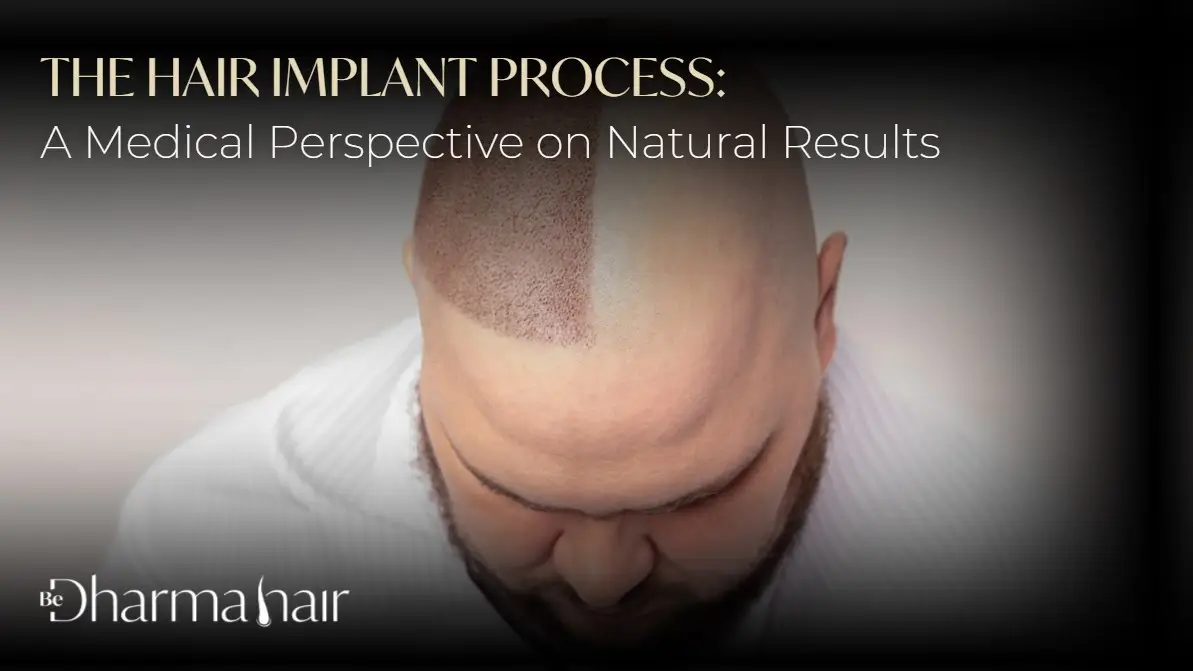
With the individual follicular extraction method, there is no linear scar. Each extraction site is a circular micro-wound less than 1 mm in diameter. These heal within 5 to 7 days as tiny dots that are virtually invisible once the surrounding hair grows over them. Patients can wear their hair short, including buzz cuts, without visible scarring.
The older strip method (FUT) leaves a linear scar across the back of the scalp. While modern closure techniques can minimize this scar, it remains detectable if the patient wears their hair very short. This is one of the primary reasons the individual extraction method has become the preferred approach worldwide.
Scarring behavior also depends on individual biology. Patients with a tendency toward keloid formation or hypertrophic scarring should disclose this during the evaluation, as it may influence the surgical approach or require additional post-operative scar management.
"Patients often ask me if they will have visible scars. With the extraction technique we use, I show them healed donor areas from previous patients. Most cannot identify where the grafts were taken from, even at close range. That is the standard we hold ourselves to." — Dr. David Delgado, board-certified plastic surgeon, Dharma Hair
Cost: The Factors That Determine What You Pay
The cost of a restoration procedure is not a fixed number. It depends on several variables that are specific to each patient. The most important factor is the number of grafts required. A patient with early-stage recession in the frontal area may need 1,200 to 1,800 grafts, while a patient with advanced hair loss covering the crown and frontal zones may require 3,500 to 4,500 grafts. The difference in scope directly impacts the surgical time, the team resources, and therefore the cost.
Other factors include the complexity of the extraction. Patients with curly or coiled hair require a modified technique to avoid follicle transection, which adds time and precision requirements. Patients who have had a previous procedure elsewhere and need corrective work often require more meticulous planning because the donor area has already been partially utilized.
The clinic's infrastructure also plays a role. A procedure performed in a certified surgical facility with proper sterilization, trained nursing staff, and emergency protocols costs more than one performed in a converted office space. This cost difference reflects a safety standard, not a luxury markup. When you are having thousands of grafts extracted and reimplanted over the course of 6 to 9 hours, the environment matters.
At Dharma Hair, every patient receives a personalized quote after their evaluation. The quote is transparent, itemized, and includes all pre-operative tests, the procedure itself, post-operative medications, and follow-up appointments. There are no hidden fees. If financing options are available, these are explained during the same consultation.
Ready to know your personalized plan and cost?
Schedule your evaluation with the Dharma Hair medical team. No commitment, no pressure. Just clarity.
Schedule your evaluation via WhatsAppWhy Patients Choose Dharma Hair in Medellin
Colombia has become a destination for medical tourism in several specialties, and hair restoration is one of them. But not all clinics in Medellin operate under the same standards. The difference between a safe, well-planned procedure and a problematic one comes down to three things: the team, the methodology, and the facility. Here is what sets Dharma Hair apart.
A Patient-Centered Clinical Model
At Dharma Hair, the patient is not a number. The evaluation is thorough, unhurried, and designed to build a relationship of trust before any procedure is scheduled. If the medical team determines that surgery is not the best option for your case, they will tell you directly and recommend alternatives. This willingness to say no when the indication is not clear is one of the strongest signals of clinical integrity.
Every step of the process is explained in advance. Patients receive a detailed plan that includes the number of grafts, the distribution strategy, the expected timeline for results, the post-operative care protocol, and a realistic preview of what their result will look like. There are no surprises because the team invests the time upfront to align expectations with clinical reality.
Follow-up is built into the model, not treated as an afterthought. Post-operative check-ins at week 1, month 1, month 3, month 6, and month 12 ensure that the recovery is on track and that any concerns are addressed early. International patients who cannot return for in-person follow-ups receive virtual consultations with photographic documentation.
Clinical Expertise That Goes Beyond Certification
Dr. David Delgado is a board-certified plastic surgeon with specialized training in hair restoration. His approach combines surgical precision with aesthetic sensibility, treating each case as a design challenge rather than a volume exercise. The goal is never to maximize the number of grafts placed; it is to achieve the most natural result possible with the resources available.
The medical team includes trained surgical technicians who specialize in graft preparation and preservation. The quality of graft handling between extraction and implantation is a critical variable that many patients overlook. A graft that is improperly stored, dehydrated, or handled with excessive force will not survive regardless of how well it was extracted. Dharma Hair's graft preservation protocol follows international best practices for tissue handling, including controlled temperature storage and minimal out-of-body time.
Experience is measured in consistent outcomes across hundreds of patients, not in marketing claims. The team at Dharma Hair documents every procedure with standardized photography, tracks graft survival rates, and uses this data to continuously refine their technique. This evidence-based approach ensures that each patient benefits from the accumulated learning of every procedure that came before theirs.
Technology in Service of Clinical Judgment
Dharma Hair operates from the Torre Medica Oviedo in Medellin, a medical facility that meets the infrastructure and safety standards required for ambulatory surgical procedures. The operating rooms are equipped with advanced magnification systems, calibrated micro-punch instrumentation, and environmental controls that maintain optimal conditions throughout extended sessions.
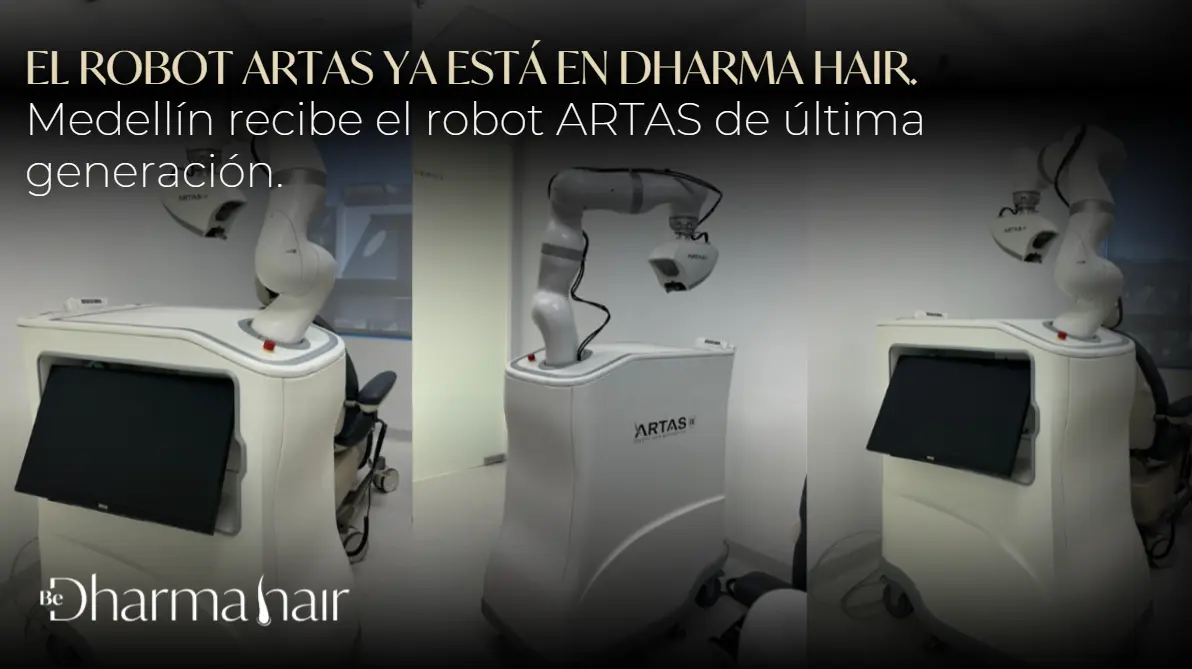
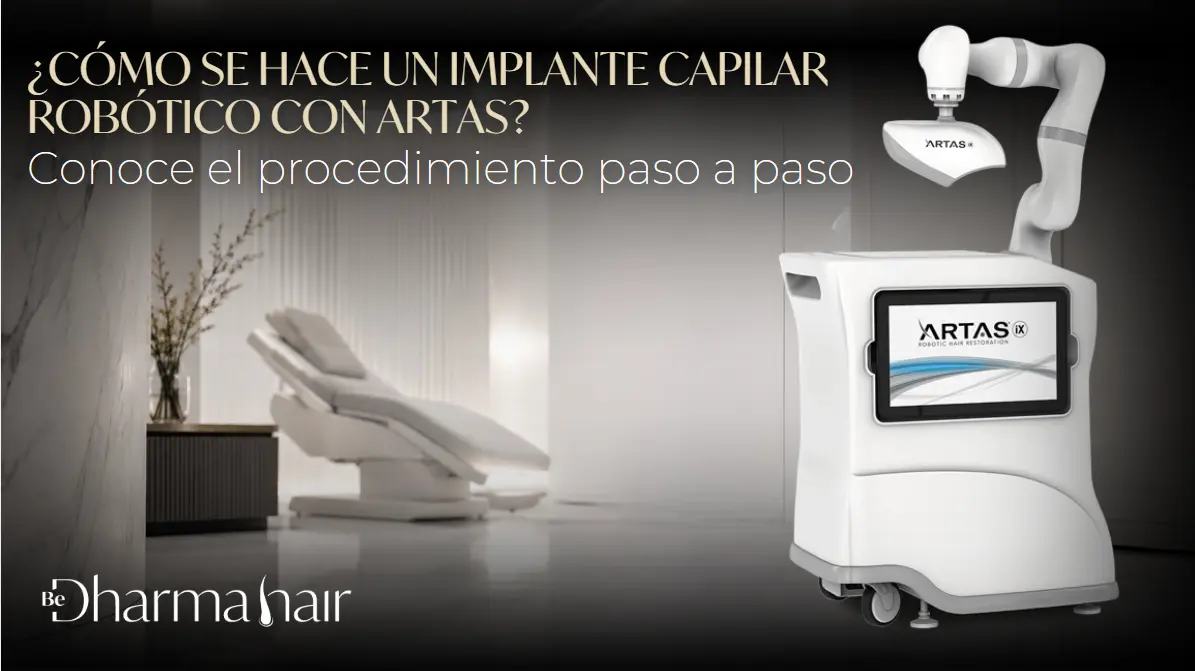
Technology at Dharma Hair is treated as a tool that amplifies the surgeon's capability, not as a marketing differentiator. The clinic does not advertise robotic systems or branded technique names because the evidence shows that patient outcomes depend primarily on the skill, experience, and judgment of the medical team rather than the brand name of the equipment. What matters is the precision of each graft placement, the viability of each follicular unit, and the coherence of the overall design. Technology supports those goals. It does not replace the clinician who achieves them.
"People sometimes ask me what machine we use, as if that is the most important question. The most important thing in an operating room is the person making the decisions. Technology gives us better tools. Judgment gives us better results. I have seen excellent outcomes with basic instruments and poor outcomes with the most expensive equipment. The difference is always the team." — Dr. David Delgado, board-certified plastic surgeon, Dharma Hair
Start with a proper evaluation
The first step is understanding your specific case. Contact us to schedule your diagnostic consultation at Dharma Hair in Medellin.
Contact Dharma Hair via WhatsAppFrequently Asked Questions
How long does the procedure take?
Is the procedure painful?
When will I see results?
Are the results permanent?
Will I have visible scars?
Can women undergo this procedure?
How many sessions are needed?
When can I exercise after the procedure?
What if I am not a candidate for the procedure?
How much does the procedure cost at Dharma Hair?
The information on this page is intended for educational and informational purposes only. It does not replace professional medical advice. Results from any hair restoration procedure vary depending on individual patient conditions, including the type of alopecia, donor area quality, overall health, and adherence to the post-operative protocol. Dharma Hair operates from Torre Medica Oviedo, Medellin, Colombia, under the direction of Dr. David Delgado, board-certified plastic surgeon.
Continue reading about hair implant in Colombia
Scientific References
1. Harris JA. (2013). Follicular unit extraction. Facial Plast Surg Clin North Am. PMID: 24017979
2. Goldin J. Hair Transplantation. StatPearls [Internet]. PMID: 31613520
3. Arencibia Pérez N. (2025). Donor site healing in follicular unit extraction hair transplantation. Cell Mol Biol. PMID: 40920315
Dharma Hair — Specialized Hair Restoration
Torre Médica Oviedo, Cll 6 Sur #43A-227, Office 701, Medellín, Colombia
Phone/WhatsApp: +57 321 226 5964 · Email: clinicabedharma@gmail.com
Medical Director: Dr. David Delgado — Plastic Surgeon, SCCP Member