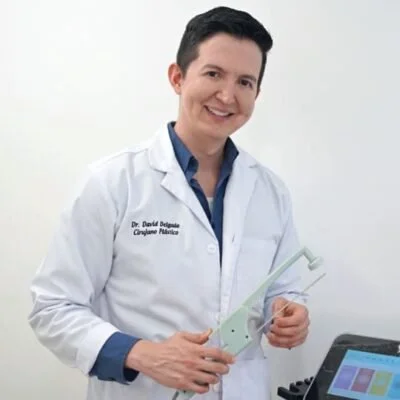
Dr. David Delgado
Plastic Surgeon · Medical Director, Dharma Hair
Member of the Colombian Society of Plastic Surgery (SCCP) · +10 years of experience
Published: junio 18, 2026 · Updated: agosto 27, 2026
Losing hair can feel subtle at first: a slightly higher hairline, less density in the crown, or the feeling that your reflection looks different from how you see yourself. At Dharma Hair, we understand that hair loss for men is about more than hair; it can influence confidence, presence, and the way you feel in personal, professional, and social moments. That is why a hair transplant for men should always begin with a precise medical evaluation, a realistic plan, and a design that respects your facial harmony.
For patients looking for a natural-looking and long-term solution, a male hair transplant can be an advanced medical and aesthetic option when the donor area, hair loss pattern, and expectations are carefully analyzed. Today, many international patients are exploring hair restoration for men in Medellín because they want specialized care, personalized planning, and high-quality results in a destination known for medical expertise. If you are considering a hair transplant in Medellin Colombia, this guide will help you understand what the process involves and what you should know before taking the next step.
Understanding hair loss for men: why male pattern baldness happens
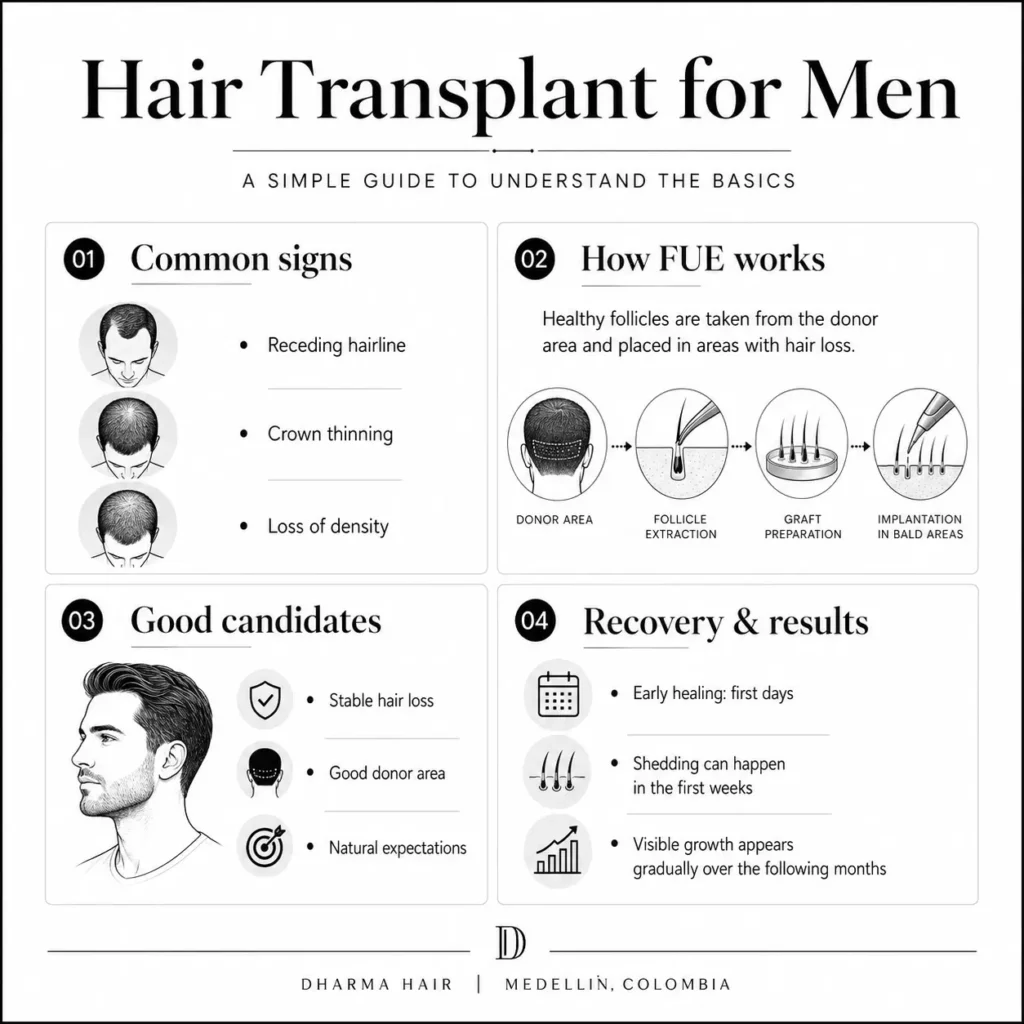
For many patients, hair loss does not begin overnight. It often starts with small changes: the hairline moves slightly back, the temples look more open, or the crown begins to show more scalp under direct light. At Dharma Hair, we see this pattern frequently in men who are beginning to consider whether they need medical treatment, preventive care, or a hair transplant for men.
The most common cause is androgenetic alopecia, also known as male pattern baldness. This condition is influenced by genetics and hormonal sensitivity, especially in follicles located in areas such as the frontal hairline, temples, and crown. Over time, these follicles can become thinner, shorter, and less dense, which creates the appearance of progressive hair loss for men.
Why male hair loss usually starts at the hairline or crown
Most men first notice male hair loss in two areas: the front of the scalp and the crown. A receding hairline can make the forehead look higher, while thinning at the crown can create a circular area where the scalp becomes more visible. These changes may feel subtle at first, but they often become more noticeable in photos, under bright lighting, or when styling the hair.
From a medical point of view, these areas are more sensitive to the miniaturization process that occurs in male pattern baldness. This means that the hair does not simply “fall out” all at once; it becomes finer, weaker, and less capable of giving coverage. That is why early evaluation is valuable: it helps us understand whether the hair is actively thinning, whether the pattern is stable, and what type of plan can protect or restore density.
Clinical insight from Dharma Hair:
A visible receding hairline or thinning crown does not automatically mean surgery is the first step. The right decision depends on diagnosis, donor area quality, age, progression, and expectations.
When hair loss treatment for men can help — and when surgery may be considered
A personalized hair loss treatment for men can be helpful when there is still active hair miniaturization, and the goal is to preserve existing density. In these cases, medical or regenerative strategies may be considered to support the hair that is still present, depending on the patient’s diagnosis and clinical needs.
A surgical approach may be considered when hair follicles have already been lost in specific areas, such as the frontal hairline, temples, or crown. In these cases, a male hair transplant can help restore coverage by relocating follicles from a donor area to the areas where density has decreased.
Before recommending surgery, we evaluate several key points:
- The stability and progression of hair loss.
- The quality and density of the donor area.
- The patient’s age and long-term pattern.
- The number of grafts needed for a natural result.
- The design of the hairline according to facial harmony.
- The patient’s expectations and lifestyle.
This is why we always begin with a professional diagnosis. A good plan does not start with the procedure; it starts with understanding what your scalp, hair, and future pattern need.
What men should know before choosing hair restoration for men
Choosing hair restoration for men is not only about adding more hair. It is about creating a result that looks natural today and continues to make sense as the patient ages. A well-planned approach considers the type of hair loss, the donor area, the number of grafts available, the direction of hair growth, and the density needed in each zone.
At Dharma Hair, we also focus on design. The hairline must look masculine, proportional, and aligned with the patient’s facial features. An overly low or poorly planned hairline can create an unnatural appearance, while a conservative and strategic design can improve the frame of the face with balance and discretion.
Before choosing any treatment, we recommend asking one essential question: “What is the right plan for my pattern of hair loss?” That question leads to better decisions, more realistic expectations, and a safer path toward long-term hair restoration for men.
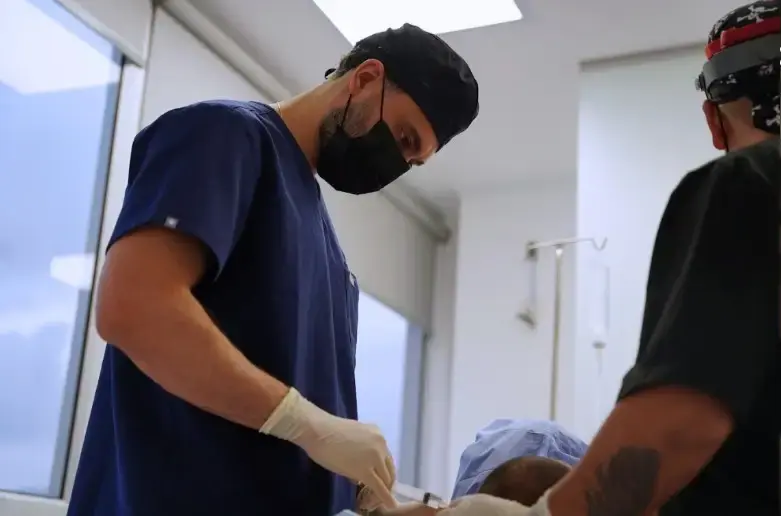
Is a hair transplant for men the right solution for you?
Choosing a hair transplant for men is a personal decision, but it should also be a medical one. At Dharma Hair, we believe the best results begin with understanding the patient’s hair loss pattern, donor area, age, expectations, and long-term evolution. Some men come to us after noticing a receding hairline. Others are concerned about crown thinning, loss of density, or the feeling that their hair no longer frames their face the way it used to.
A male hair transplant can be an excellent option when hair follicles have been permanently lost in specific areas and the donor zone has enough healthy follicles to create natural coverage. The goal is never to “add hair” randomly; the goal is to restore balance, density, and facial harmony with a plan that looks natural today and continues to make sense over time.
You may be ready to explore a male hair transplant if your hair loss has become visible in areas such as the frontal hairline, temples, or crown. Many patients also start considering surgery when styling the hair becomes difficult, when the scalp becomes more visible in photos, or when temporary solutions no longer give the coverage they want.
A good candidate usually has a stable or predictable pattern of hair loss, enough hair donor in the back or sides of the scalp, and realistic expectations about density, timing, and results. The donor area is especially important because it gives us follicles that can be relocated to areas with lower density.
Dharma Hair candidate checkpoint:
- Visible recession in the hairline or temples.
- Crown thinning with reduced density.
- Good donor area in the back or sides of the scalp.
- Desire for a natural improvement, rather than an exaggerated change.
- Clear understanding that results evolve over several months.
- Willingness to follow aftercare and medical guidance.
Some treatments can help preserve existing hair or support scalp health, especially when the follicles are still active. However, when follicles have already disappeared from certain areas, topical or preventive options have limited ability to restore coverage. In these cases, hair loss surgery for men may offer a more structured solution.
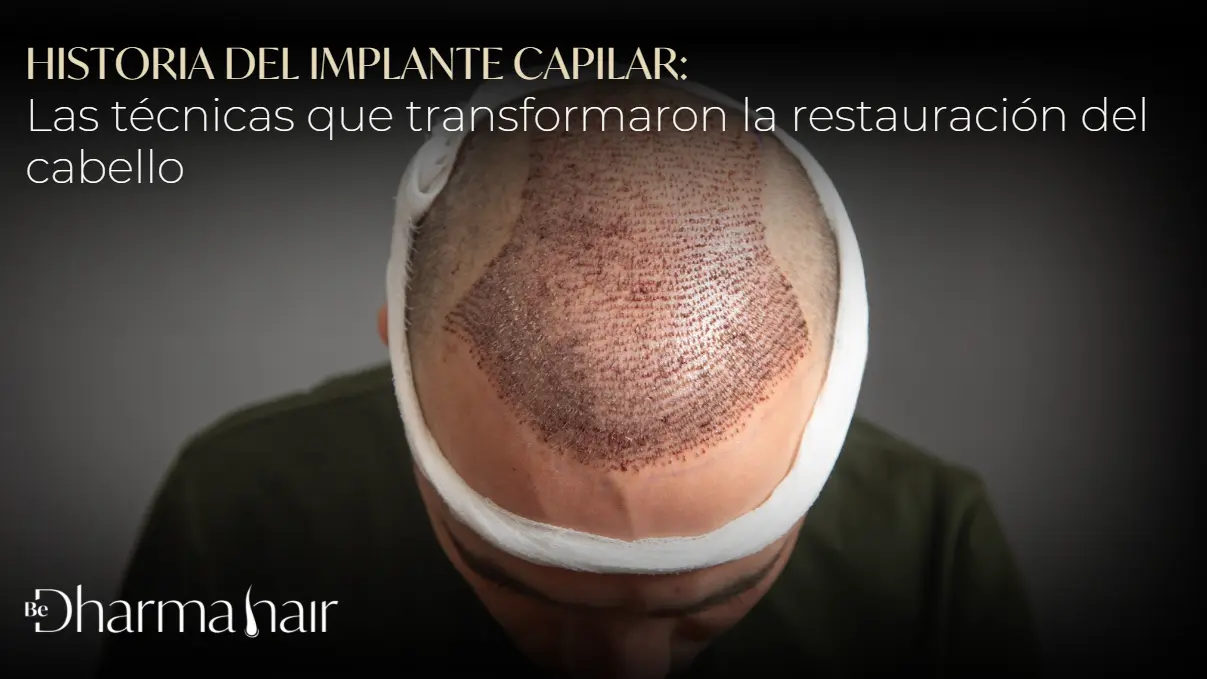
A hair transplant works by relocating healthy follicular units from the donor area to the areas affected by hair loss. These transplanted follicles are placed strategically to rebuild the hairline, improve density, or cover thinning zones such as the crown.
At Dharma Hair, we see surgery as part of a broader medical plan. A successful result depends on diagnosis, design, technique, graft survival, and long-term planning. For some patients, surgery may be combined with complementary strategies to protect existing hair and support the overall result.
In hair transplant men planning, the donor area is one of the most important factors. This area, usually located at the back and sides of the scalp, provides the follicular units used for transplantation. Its density, quality, and availability influence how many grafts can be safely extracted and how much coverage can be achieved.
A strong donor area gives us more possibilities. A limited donor area requires a more strategic approach. This is why we carefully evaluate hair caliber, density, scalp characteristics, and the future progression of hair loss before designing the treatment.
The donor area also affects long-term planning. A patient may want a lower hairline, but if the donor area is limited, a conservative and well-designed hairline may create a more natural and sustainable result. Good planning protects the donor zone while prioritizing the areas that will make the greatest aesthetic difference.
FUE hair transplant for men: understanding the technique Dharma Hair performs
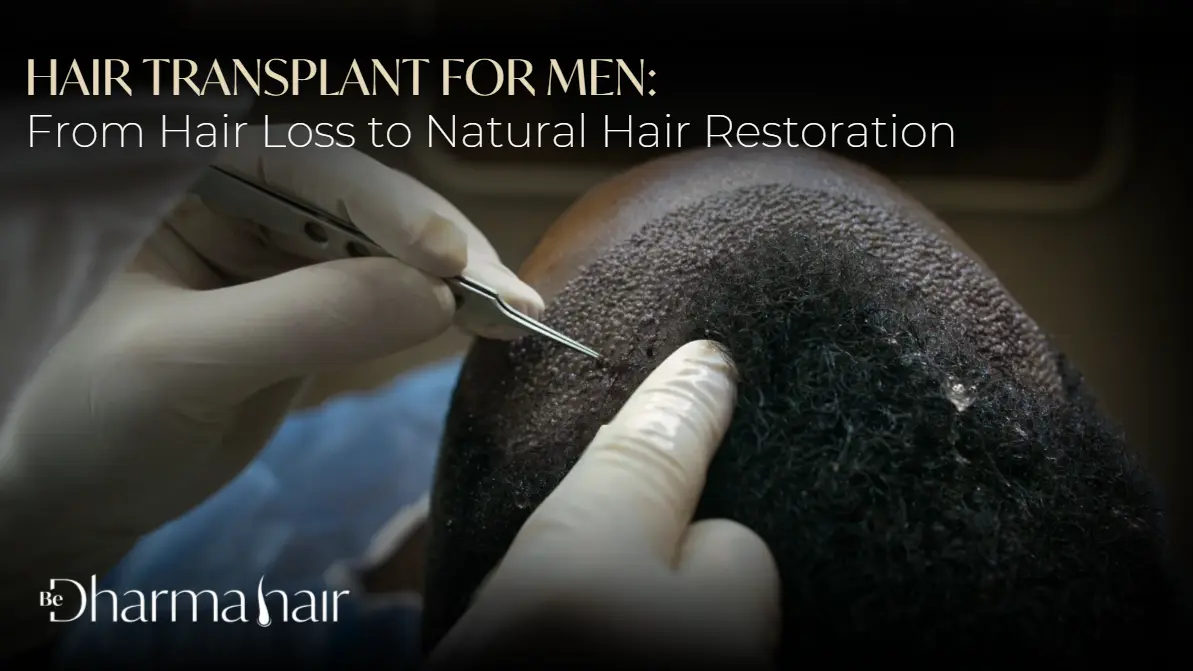
At Dharma Hair, we perform FUE hair transplant for men because it allows us to work with individual follicular units and create a personalized plan for each patient. FUE stands for Follicular Unit Extraction, a technique that extracts follicles one by one from the donor area and implants them into the areas affected by hair loss.
This technique is widely used in modern hair restoration because it allows precise extraction, careful distribution, and natural-looking design when performed with medical planning and aesthetic criteria. For men, this is especially important because the hairline, temples, and crown require different angles, densities, and implantation strategies.
What is FUE hair transplant for men and how does it work?
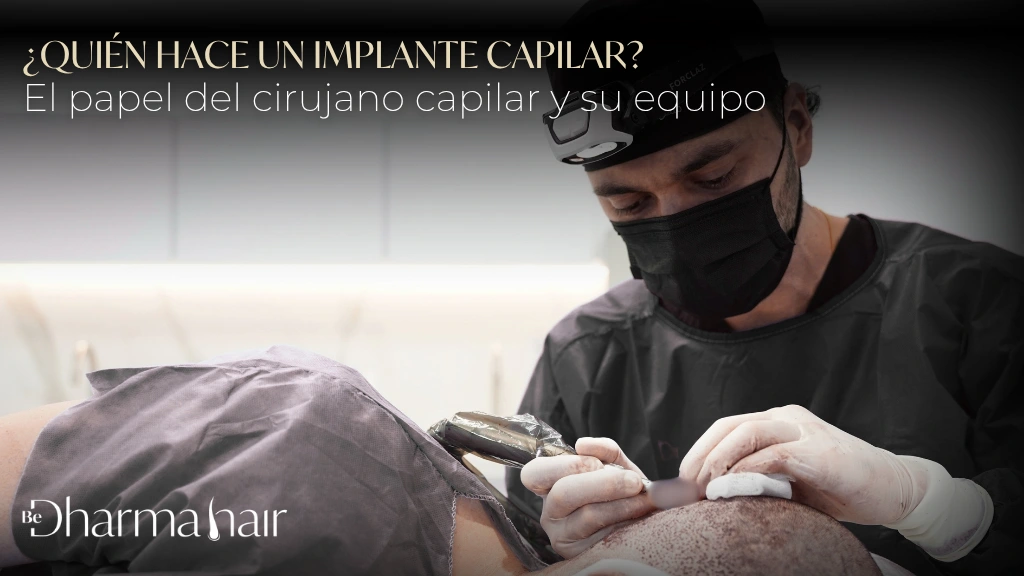
A FUE hair transplant for men begins with an evaluation of the donor area and the areas that need restoration. Once the design is defined, follicular units are extracted individually from the donor zone. These grafts are then prepared and implanted into the recipient area following the natural direction, angle, and distribution of hair growth.
The process is detailed and highly planned. The hairline must be designed according to the patient’s facial structure, age, degree of hair loss, and long-term pattern. The crown requires a different strategy because hair grows in a circular direction. Density also needs to be distributed carefully to create coverage while preserving donor resources.
Simple way to understand FUE:
We take healthy follicles from an area with better density and relocate them to areas where hair has been lost, placing them with intention, direction, and aesthetic planning.
FUE vs DHI vs ARTAS: what men should understand before choosing
When researching a male hair transplant, many patients find terms such as FUE, DHI, and ARTAS. These terms can be confusing because they are often used as if they were separate procedures, when they refer to different parts or approaches within hair transplantation.
FUE refers to the extraction of individual follicular units from the donor area. DHI is often described as an implantation approach that uses a specific implanter tool to place grafts. ARTAS is associated with robotic assistance in follicular extraction, using technology to support certain steps of the process.
At Dharma Hair, we focus on the FUE technique we perform and on the clinical elements that truly define a good result: diagnosis, donor area management, hairline design, graft handling, density planning, and follow-up. Technology can support the process, but the outcome depends on medical judgment, planning, and execution.
Key idea for patients:
The best technique is the one that fits your diagnosis, donor area, hair loss pattern, and aesthetic goals. A name alone does not guarantee a natural result; planning does.
Why Dharma Hair focuses on personalized male hair transplant planning with FUE
Every male hair transplant should be designed for the individual patient. Two men can have the same degree of hair loss and still need different plans because their donor area, hair thickness, facial proportions, age, and expectations are different.
With FUE, we can plan the extraction and implantation with precision. We evaluate where density is most needed, how the hairline should frame the face, and how to use the available grafts strategically. This is especially important for international patients, who often begin the process through a virtual consultation and need clear guidance before traveling.
At Dharma Hair, personalization means looking beyond the procedure itself. We analyze the full journey: diagnosis, design, graft planning, surgery day, recovery, follow-up, and long-term appearance.
Our approach is built around three priorities:
- A natural-looking hairline.
- Responsible use of the donor area.
- A medical plan aligned with the patient’s future hair loss pattern.
Hair transplant recovery for men: what happens week by week
Understanding hair transplant recovery for men helps patients feel more confident before surgery, especially when they are traveling from another country. Recovery is usually manageable, but it requires clear instructions, realistic expectations, and careful follow-up.
At Dharma Hair, we prepare our patients before the procedure so they understand what is normal, what should be avoided, and how the transplanted area will evolve. The first days are focused on healing. The first weeks are focused on care and stabilization. The following months are focused on growth and density.
First days after a male hair transplant: what is normal?
During the first days after a male hair transplant, it is common to see redness, small scabs, mild sensitivity, and some swelling in certain cases. These signs are part of the early healing process and should be managed according to the instructions provided by the clinic.
The implanted grafts need protection during this stage. Patients should be careful with washing, sleeping position, sun exposure, sweating, and direct contact with the transplanted area. Following the post-procedure protocol is one of the most important parts of recovery.
First-days care focus:
- Protect the implanted area.
- Follow washing instructions.
- Avoid scratching or rubbing.
- Sleep as instructed by the medical team.
- Avoid intense physical activity.
- Attend follow-up if scheduled.
For international patients, this is also the period when we recommend staying in Medellín long enough for initial review and guidance before traveling back home.
The first weeks: shedding, healing, and early changes after hair loss surgery for men
In the first weeks after hair loss surgery for men, the scalp continues healing and the scabs usually begin to clear. Some transplanted hairs may shed during this period. This can worry patients, but shedding is a normal phase of the hair transplant process.
The follicle remains beneath the skin while the visible hair shaft may fall. Growth begins gradually later in the process. This is why we explain the timeline clearly before surgery: early shedding does not mean the treatment has failed; it is part of the natural cycle after transplantation.
During this stage, patients can usually return to many daily activities with proper care. Exercise, sun exposure, hair products, and grooming should follow the specific instructions given by the clinical team.
When do men start seeing hair transplant results for men?
Hair transplant results for men develop gradually. In the first months, patients may see early growth, but density usually improves progressively as the transplanted follicles enter their growth cycle. The timeline varies from patient to patient depending on healing, hair type, graft survival, and individual biology.
Many men begin noticing visible changes after the early growth phase, while the final appearance continues to mature over time. This is why patience is essential. A hair transplant is designed for long-term improvement, and the result cannot be judged in the first weeks.
At Dharma Hair, we guide patients through the full process, so they understand each stage and avoid unnecessary concern during normal recovery phases.
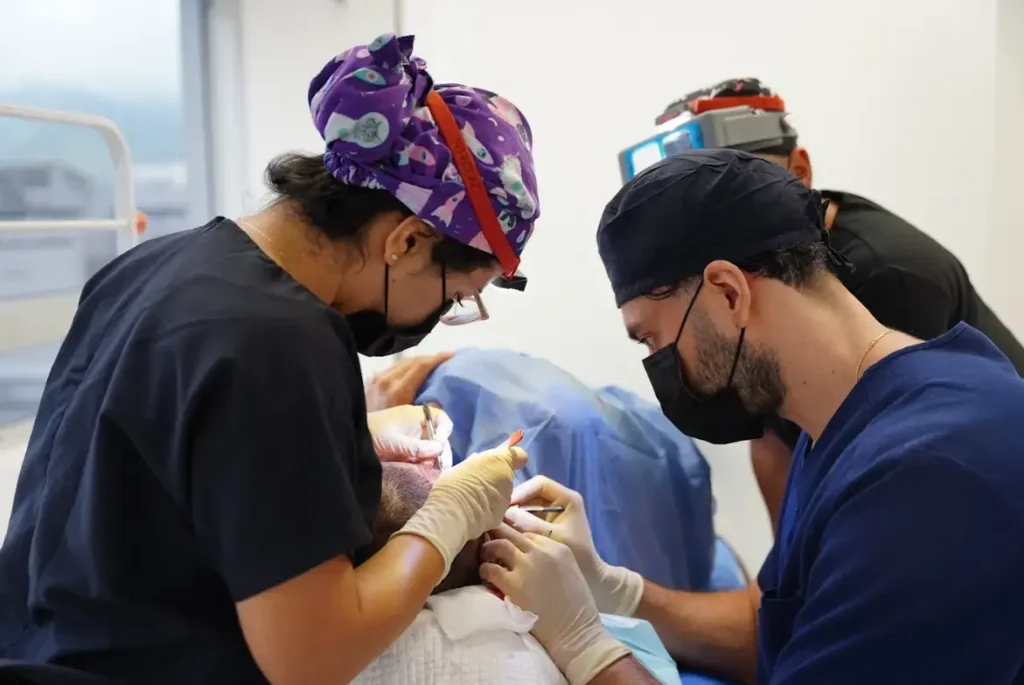
Hair transplant cost for men: what affects the price?
One of the most common questions international patients ask is how much a hair transplant cost for men can be. The answer depends on the patient’s diagnosis, the number of grafts needed, the treatment area, the technique, and the level of medical planning required.
At Dharma Hair, we prefer to talk about value, safety, and personalization before giving a generic number. A hair transplant is a medical procedure, and its cost should reflect the quality of evaluation, surgical planning, graft handling, aftercare, and follow-up.
Why male hair transplant cost changes from patient to patient
The male hair transplant cost changes because each case has different needs. A patient with a small receding hairline may require fewer grafts than someone who needs frontal reconstruction and crown coverage. Donor area quality, hair thickness, and expected density also influence the plan.
The medical team, clinical environment, technique, and post-procedure care are part of the final value. A well-planned procedure includes much more than the surgery day; it includes diagnosis, design, recovery guidance, and long-term orientation.
Main factors that affect cost:
- Number of grafts required.
- Area treated: hairline, temples, crown, or combined zones.
- Donor area quality.
- Technique and clinical planning.
- Medical team experience.
- Follow-up and post-procedure care.
What to consider when searching for hair replacement for men cost
Many patients search for hair replacement for men cost, but this term can refer to different solutions. In some cases, “hair replacement” may describe non-surgical systems, wigs, or hairpieces. A hair transplant is different because it uses the patient’s own follicles and relocates them to areas with hair loss.
This distinction matters because the cost, maintenance, durability, and expectations are different. A non-surgical system may require ongoing replacement or maintenance, while a transplant is planned as a long-term surgical restoration using living follicles.
Before comparing prices, patients should first understand what type of solution they are comparing.
Why the cheapest hair transplant for men is not always the safest option
When searching for a hair transplant for men, price should never be the only decision factor. A low-cost procedure may seem attractive, but the real priority should be medical safety, natural design, responsible donor area management, and proper follow-up.
Poor planning can lead to an unnatural hairline, low density, visible scarring, overharvesting of the donor area, or results that are difficult to correct later. Choosing a clinic should involve more than comparing numbers; it should involve evaluating experience, communication, medical criteria, and the quality of the patient journey.
You may be interested Traveling to Colombia for a FUE Hair Transplant? Choose Dharma Hair
Why Colombia is becoming a destination for hair transplant medical tourism
Colombia has become increasingly attractive for patients who want medical care combined with a well-planned travel experience. For men considering hair transplant medical tourism, the country offers a strong combination of medical expertise, competitive value, modern clinical services, and destinations that are prepared to receive international visitors.
ProColombia has presented the country’s potential as a health destination, highlighting factors such as healthcare infrastructure, technology, qualified professionals, and specialized services. Medellín also stands out as a city where medical care, hospitality, accessibility, and recovery-friendly environments can come together for international patients. (ProColombia, 2014; Hospital Pablo Tobón Uribe, 2024)
Why international patients search for hair transplant in Colombia
Many international patients search for hair transplant in Colombia because they want specialized care, personalized planning, and a destination where they can receive medical attention with a strong value proposition. For patients from the United States, Canada, the Caribbean, or other countries, Colombia can represent an attractive option when the clinical team offers clear communication and structured follow-up.
In hair restoration, this is especially important. The patient needs more than a procedure; he needs diagnosis, design, donor area evaluation, post-operative instructions, and long-term guidance.
Why Medellín is attractive for hair transplant for men
Medellín is attractive for patients considering hair transplant for men in Medellin because it combines medical services with a comfortable city experience. The city has international connectivity, premium areas for recovery, hotels, apartments, restaurants, and a culture known for hospitality.
For a hair transplant patient, comfort matters. The first days after surgery require calm, rest, sun protection, and easy communication with the clinic. Medellín allows many patients to organize a medical trip with privacy, structure, and a pleasant recovery environment.
Choose Dharma Hair for a hair transplant for men in Medellín
At Dharma Hair, we understand that deciding to have a hair transplant for men is not only about changing your hair; it is about feeling guided, listened to, and confident in every step of the process. That is why we begin with a personalized evaluation, where we analyze your hair loss pattern, donor area, facial proportions, age, expectations, and the result you want to achieve. Our approach to male hair transplant planning is designed to create a natural, masculine, and balanced result that respects your identity.
We perform the FUE technique for hair restoration for men, focusing on precision, strategic density, and a hairline design that looks natural from the first impression. If you are an international patient considering a hair transplant in Medellin Colombia, you can start with a virtual consultation, share your photos, receive initial orientation, and understand whether you may be a candidate before traveling. Many men begin by searching for hair restoration for men near me but choose Medellín when they find a clinic that offers medical guidance, clear communication, and a plan created specifically for them.
Frequently asked questions about hair transplant for men
Is a hair transplant for men permanent?
A hair transplant for men is designed as a long-term solution because the follicles are usually taken from the donor area, where hair tends to be more resistant to the hormonal pattern that causes male baldness. Once transplanted, these follicles can continue growing in their new location. However, the rest of the native hair may continue changing over time, which is why diagnosis, planning, and follow-up are essential.
Am I a good candidate for a male hair transplant?
You may be a good candidate for a male hair transplant if you have visible hair loss in areas such as the hairline, temples, or crown, and you have enough healthy donor hair in the back or sides of the scalp. At Dharma Hair, we also evaluate your age, hair loss progression, hair caliber, expectations, and medical history before recommending any procedure.
How much does a hair transplant cost for men?
The hair transplant cost for men varies from patient to patient. It depends on the number of grafts needed, the areas to be treated, the quality of the donor area, the technique used, the medical team, and the follow-up process. The most accurate way to understand your investment is through a personalized evaluation, where we can define your case and treatment plan.
Is FUE a good technique for hair transplant men cases?
Yes, FUE is a widely used technique for hair transplant men cases because it allows individual follicular units to be extracted from the donor area and implanted into areas affected by hair loss. At Dharma Hair, we perform FUE with a personalized approach, focusing on natural hairline design, strategic density, and responsible donor area management.
What is the difference between hair replacement for men cost and hair transplant cost?
When patients search for hair replacement for men cost, they may find different solutions, including wigs, hair systems, or non-surgical options. A hair transplant is different because it uses the patient’s own follicles and relocates them to areas with lower density. This means the cost, maintenance, durability, and expected result are different from non-surgical hair replacement systems.
How long is the recovery after hair loss surgery for men?
Recovery after hair loss surgery for men happens in stages. During the first days, patients may notice redness, small scabs, mild sensitivity, or swelling. In the following weeks, the scalp continues healing and some shedding can occur. Most patients can return gradually to their routine, but physical activity, sun exposure, and hair care should follow the instructions given by the medical team.
When will I see results from hair restoration for men?
Results from hair restoration for men appear gradually. The first weeks are focused on healing, and shedding can be part of the normal process. New growth usually begins later, and density continues improving over several months. Final results take time because transplanted follicles follow their natural growth cycle.
Can international patients travel for a hair transplant in Colombia?
Yes. Many international patients travel for a hair transplant in Colombia after beginning the process with a virtual consultation. At Dharma Hair, we recommend sharing photos, medical information, and expectations before traveling. This helps us provide initial orientation, estimate candidacy, and guide the patient through treatment planning, recovery time, and follow-up.
Why choose Medellín for a hair transplant Medellin Colombia?
Choosing a hair transplant Medellin Colombia experience can be attractive for international patients because Medellín offers medical services, hospitality, accessibility, and comfortable recovery options. For hair transplant patients, the city allows a well-planned medical trip with privacy, rest, and communication with the clinic during the first recovery stage.
How do I schedule a virtual consultation for a hair transplant for men in Medellin?
To schedule a virtual consultation for a hair transplant for men in Medellin, you can contact Dharma Hair and share clear photos of your hairline, crown, donor area, and the areas that concern you most. From there, we can provide initial guidance, explain what may be possible in your case, and help you understand the next step toward a personalized treatment plan.
Dharma Hair — Specialized Hair Restoration
Torre Médica Oviedo, Cll 6 Sur #43A-227, Office 701, Medellín, Colombia
Phone/WhatsApp: +57 321 226 5964 · Email: clinicabedharma@gmail.com
Medical Director: Dr. David Delgado — Plastic Surgeon, SCCP Member